Trieste Porto Vecchio
Regeneration of an abandoned port, focusing on urban forestry, restorative public spaces, and preservation of heritage
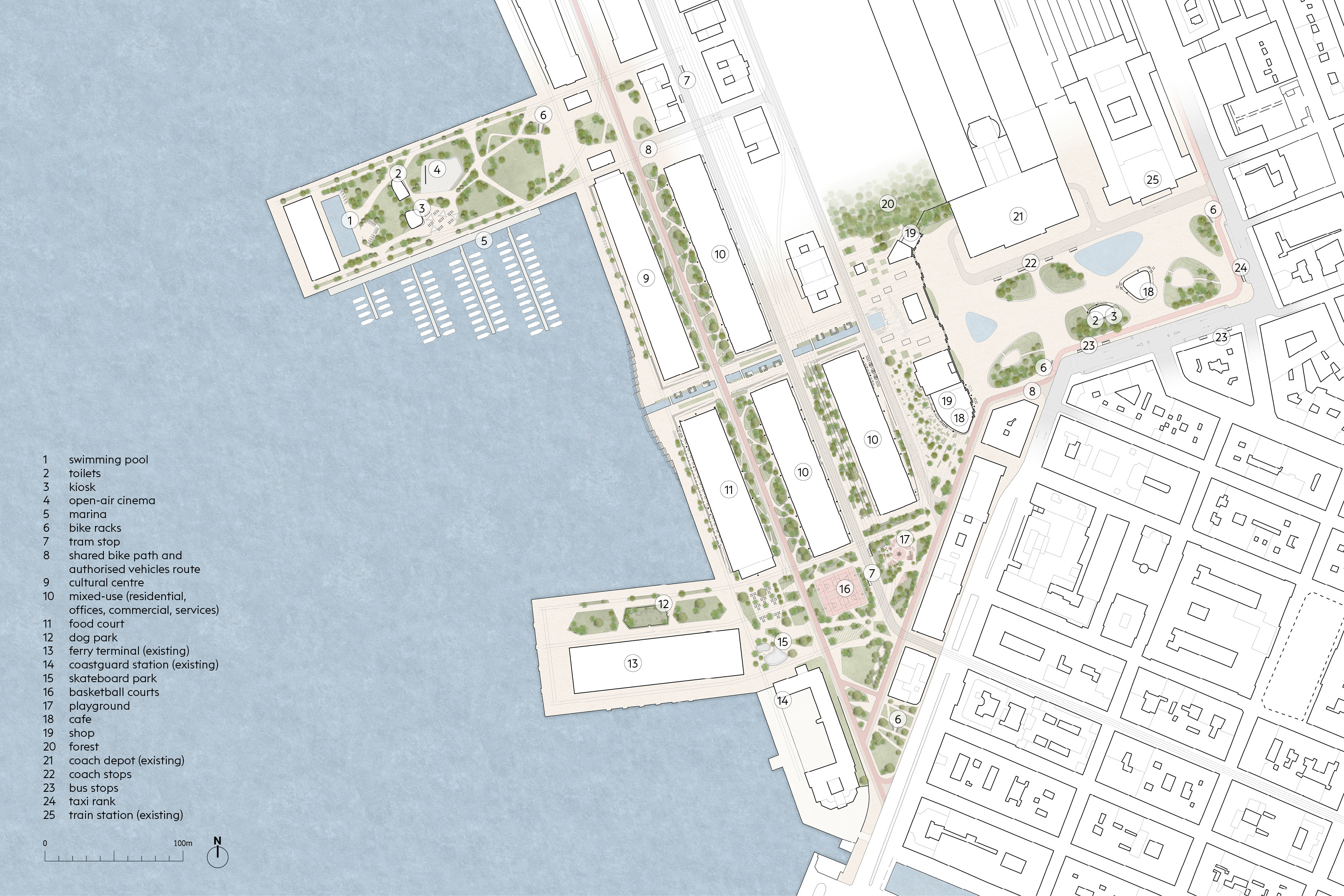
An adaptive re-use of Trieste's Porto Vecchio as a mixed-use development, aiming to transform this derelict but historically significant site into a vital asset for the city. Focusing on people-centric design principles and biodiversity-sensitive strategies, the project aims to integrate the zone of the old port with the urban fabric of the city.
Building on comprehensive research, including Mediterranean port regeneration studies and best practices in sustainable urban design, the project can be seen as a model for further redevelopment of ports in the region.
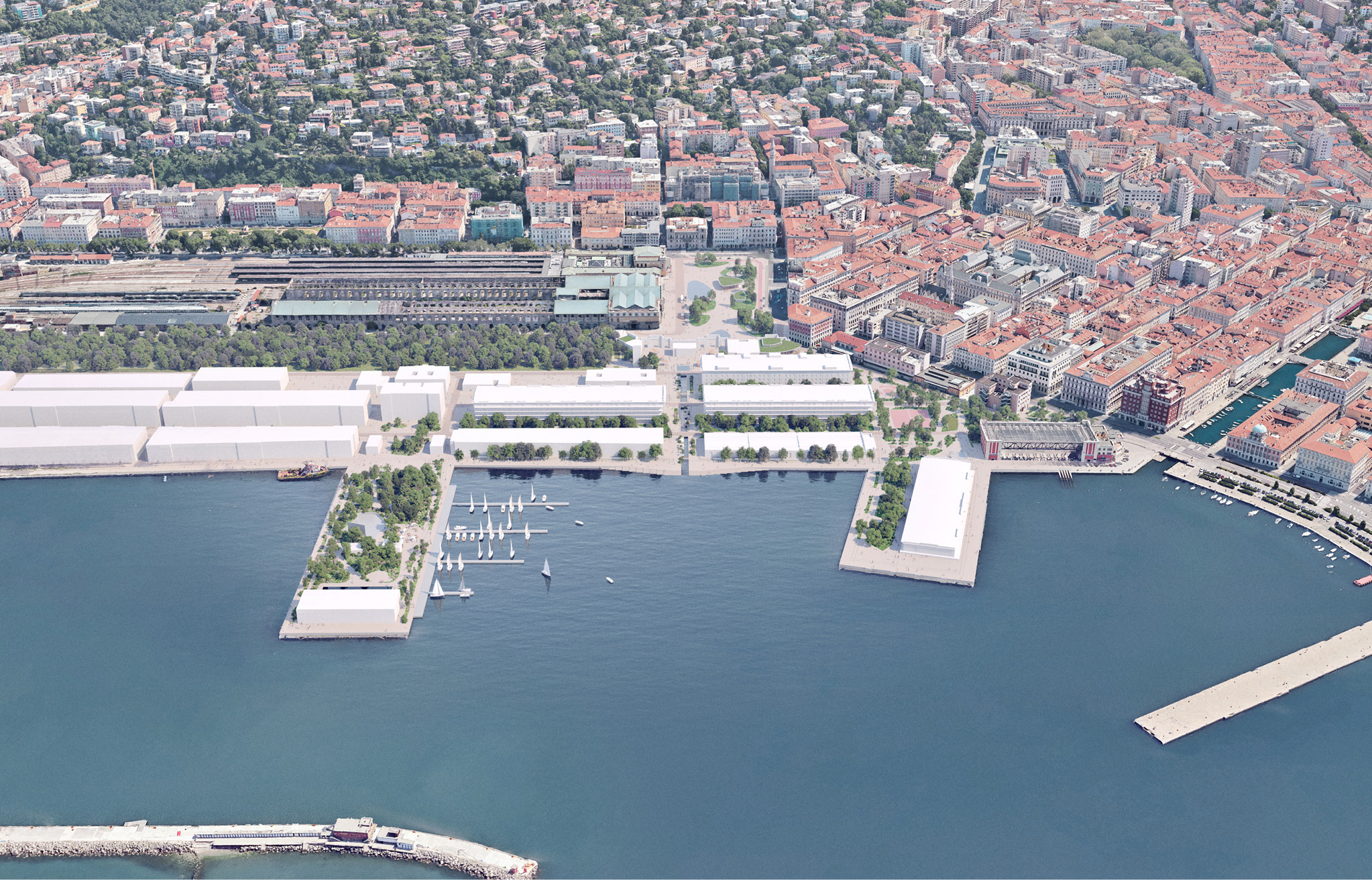
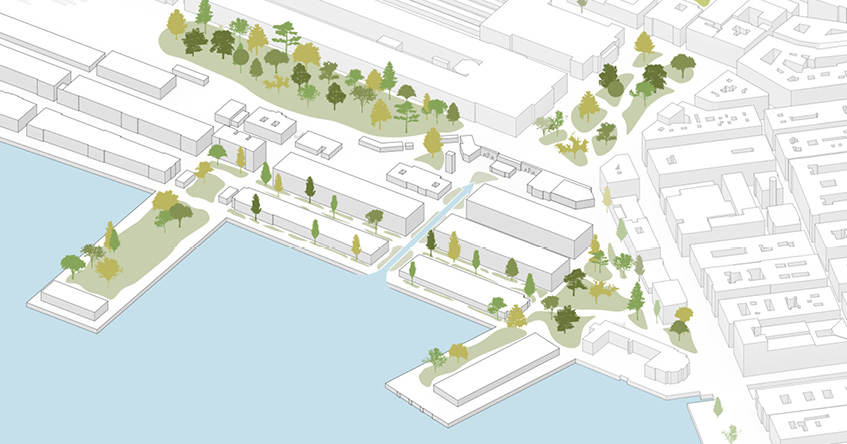
Green and blue strategy: emphasis on urban greening and reactivation of the waterfront, including the introduction of an urban forest and the uncovering of an underground waterway.
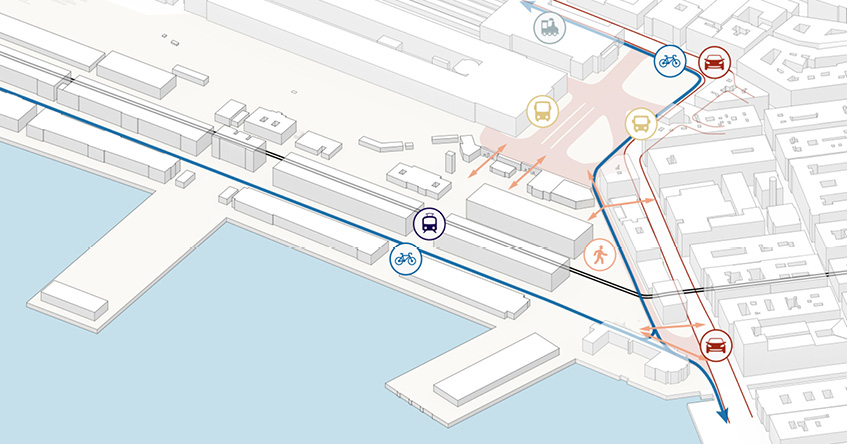
Mobility and accessibility strategy: focusing on removing obstacles around the edges, connecting with existing rail, coach and bus nodes, and putting pedestrians first.
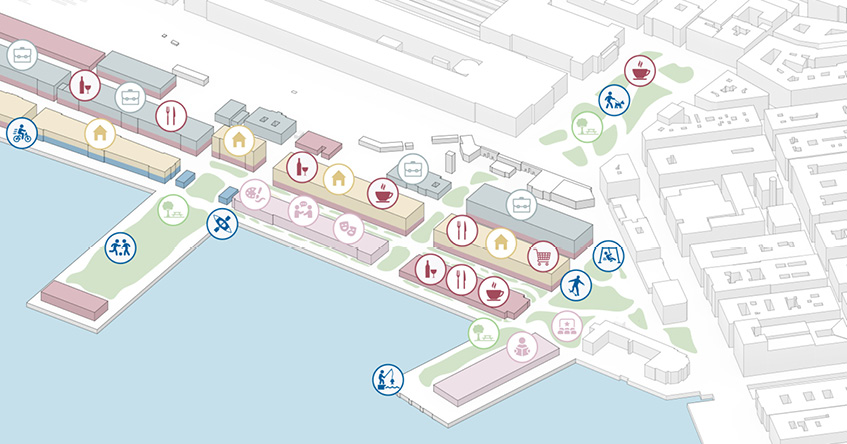
Revitalisation of the site: giving new life to abandoned industrial buildings by proposing a mixed-use development with a variety of functions, in order to achieve a vibrant urban environment.
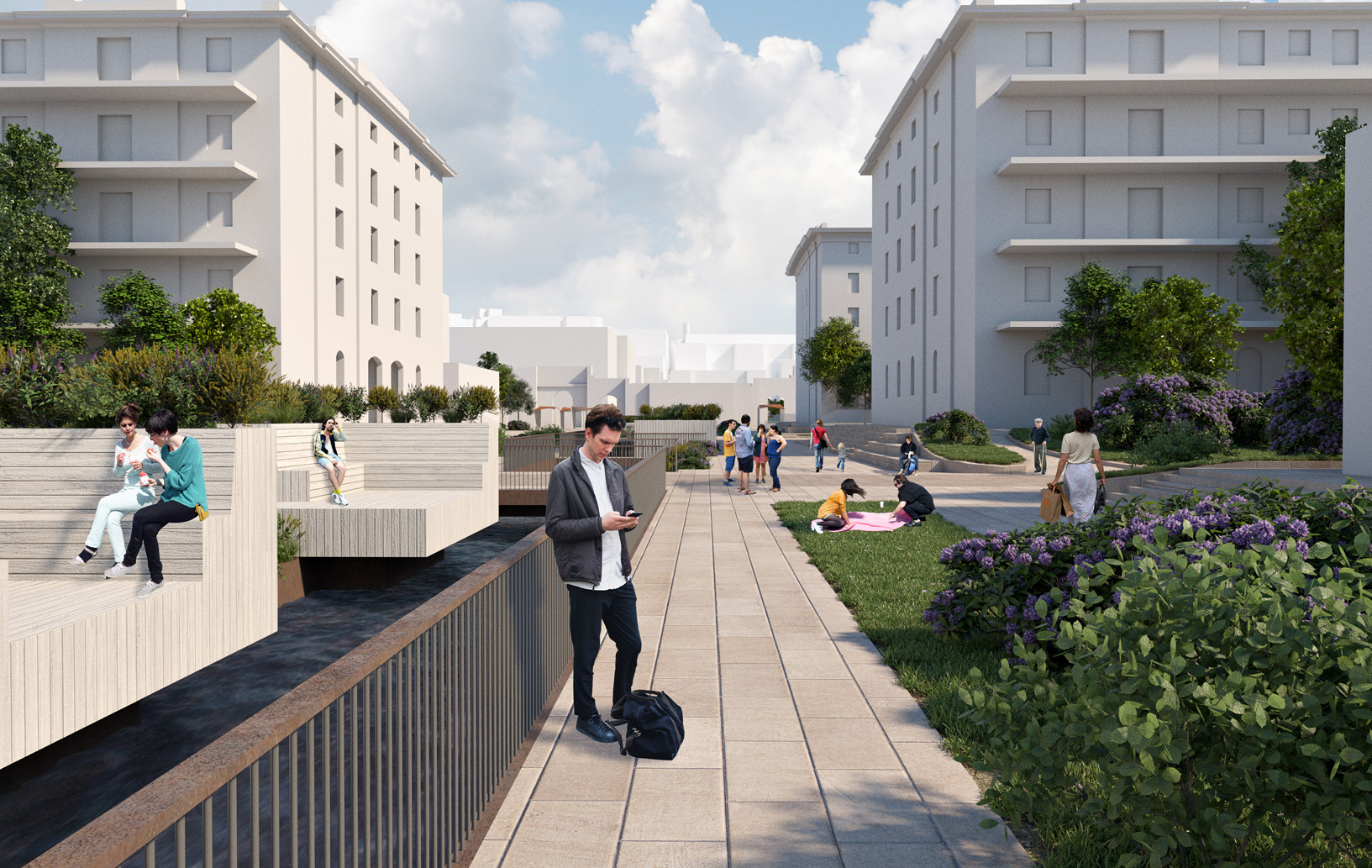
The main axis going from Piazza Libertà to the waterfront, featuring vegetation and seating alongside a waterway, to encourage social interaction while providing tranquil resting spaces
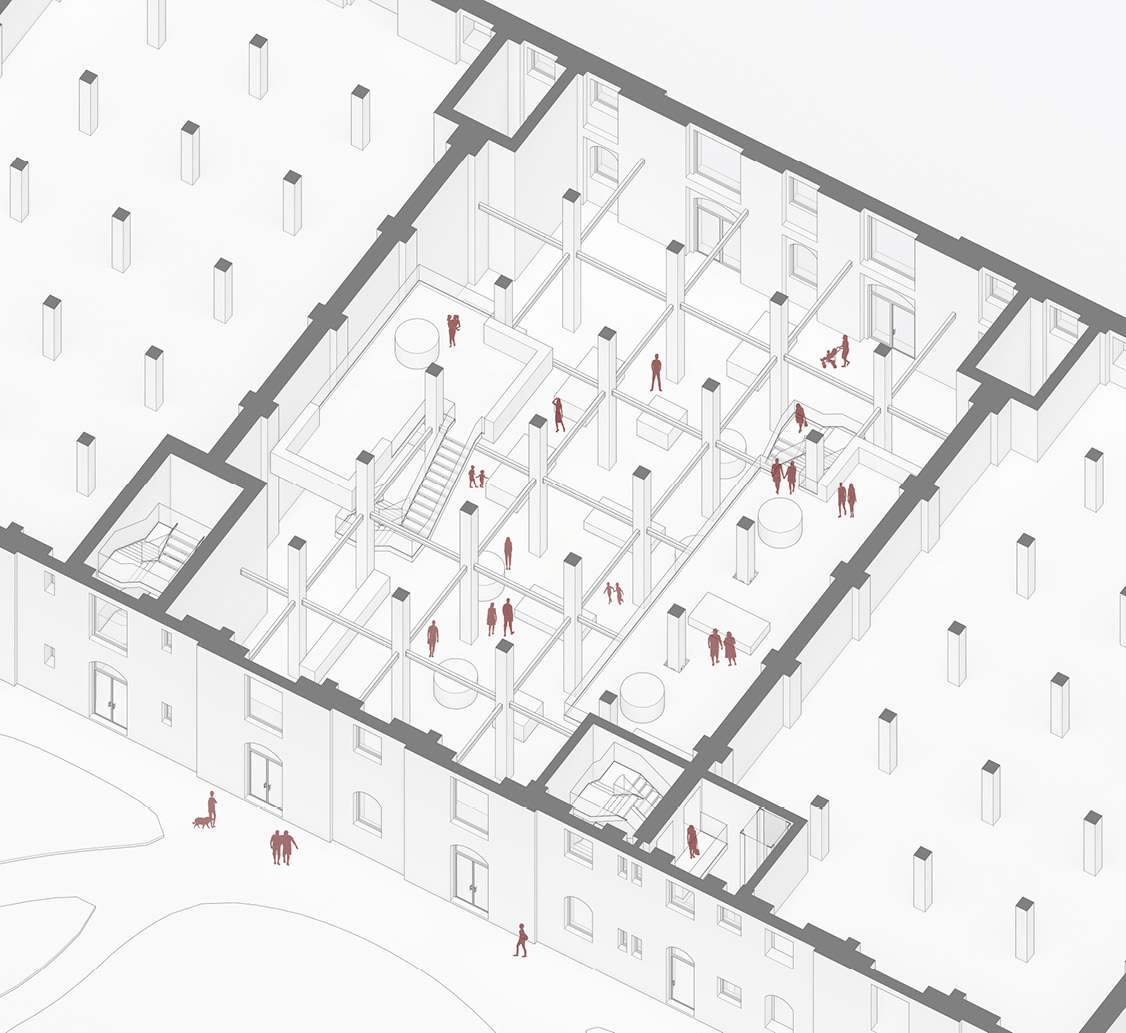
Concept for a general model for adaptive re-use of the existing buildings. The first floor is removed to create a double-height commercial space, and the staircases are reconfigured within the existing shafts, providing access to the offices or residences above.

Section through the main axis
Wedge House
New-build house on angular plot
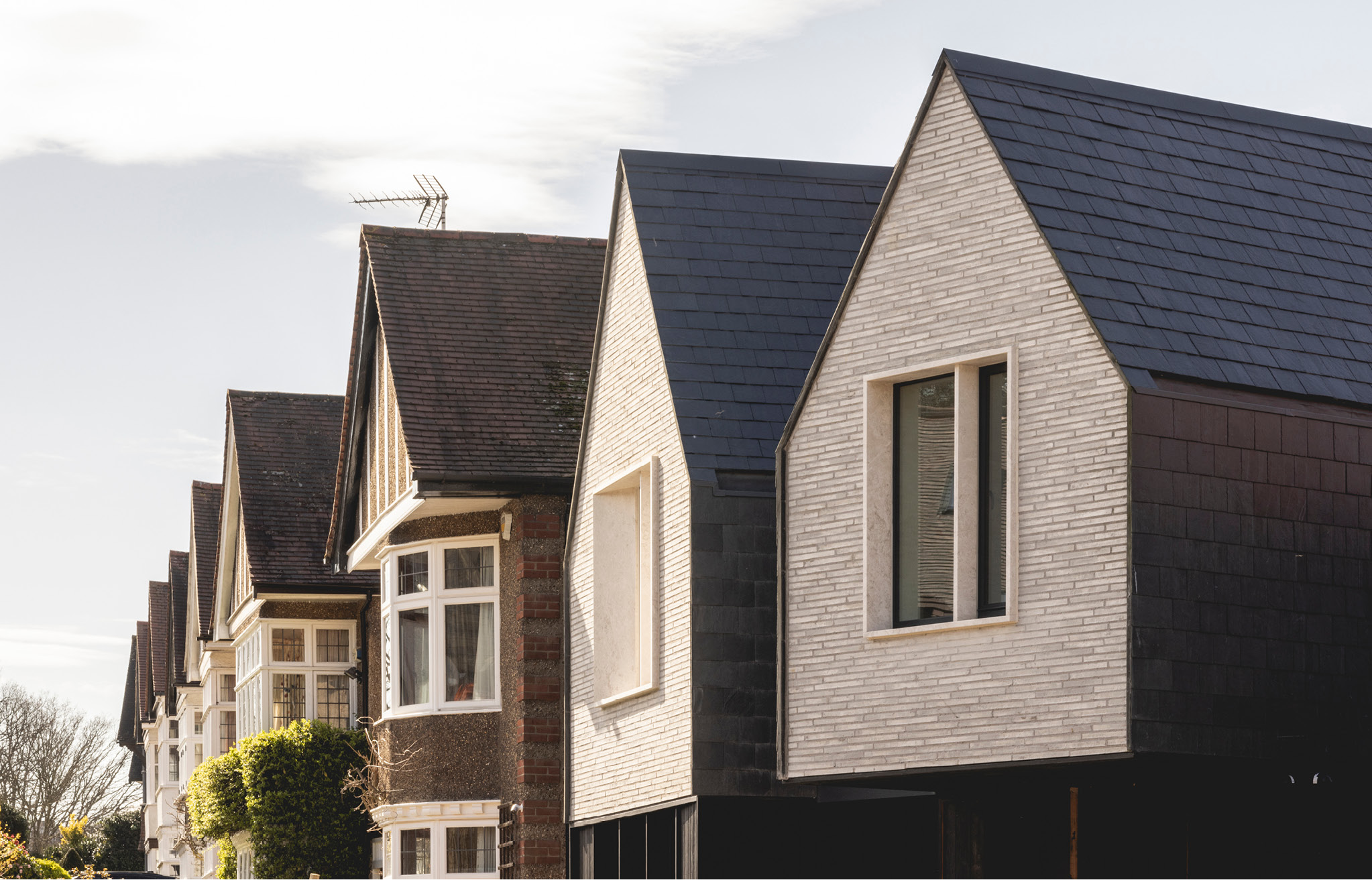
A 170sqm, three-bedroom house in a 1930s suburban area of London. The form of the house makes reference to the gables predominant on the street, but is optimised to make better use of the space within the pitched roof.
To fit in with the composition of the street, the house is comprised of two gabled volumes, a major and a minor, which merge at the rear to form a single gabled facade. Due to the slight bend in the road, the two volumes are at angles to each other, such that the house turns to align with each neighbour.

Massing Progression
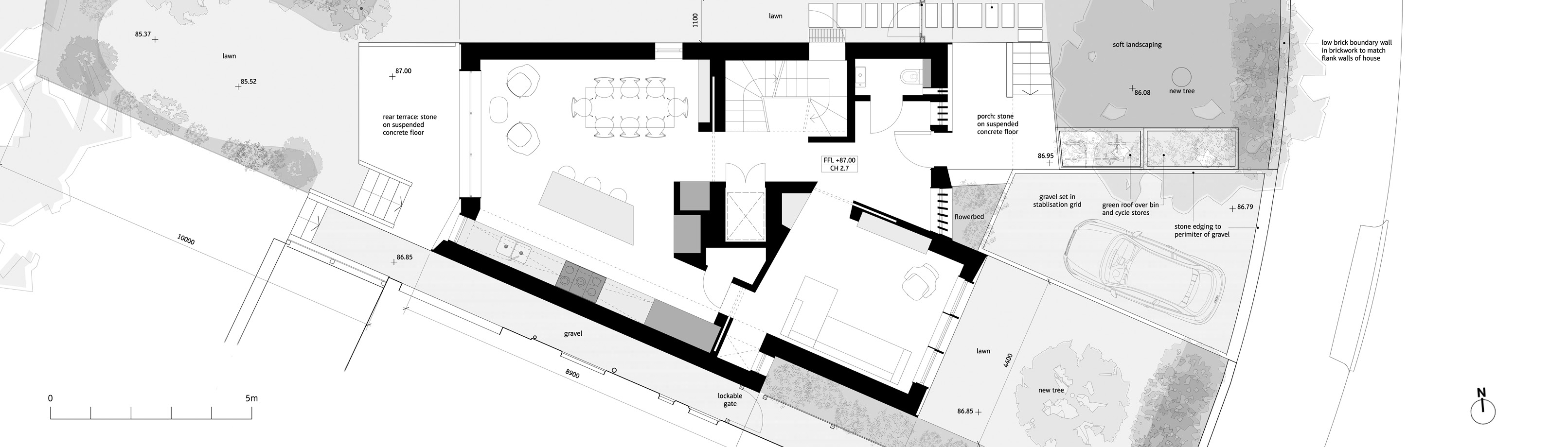
Ground Floor Plan
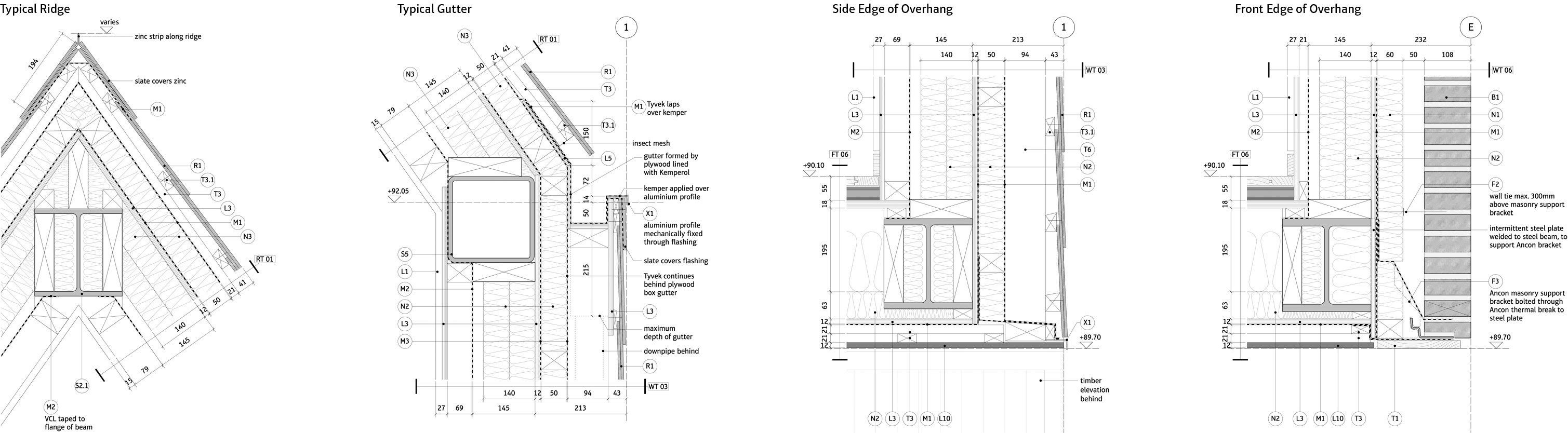
Selected Details
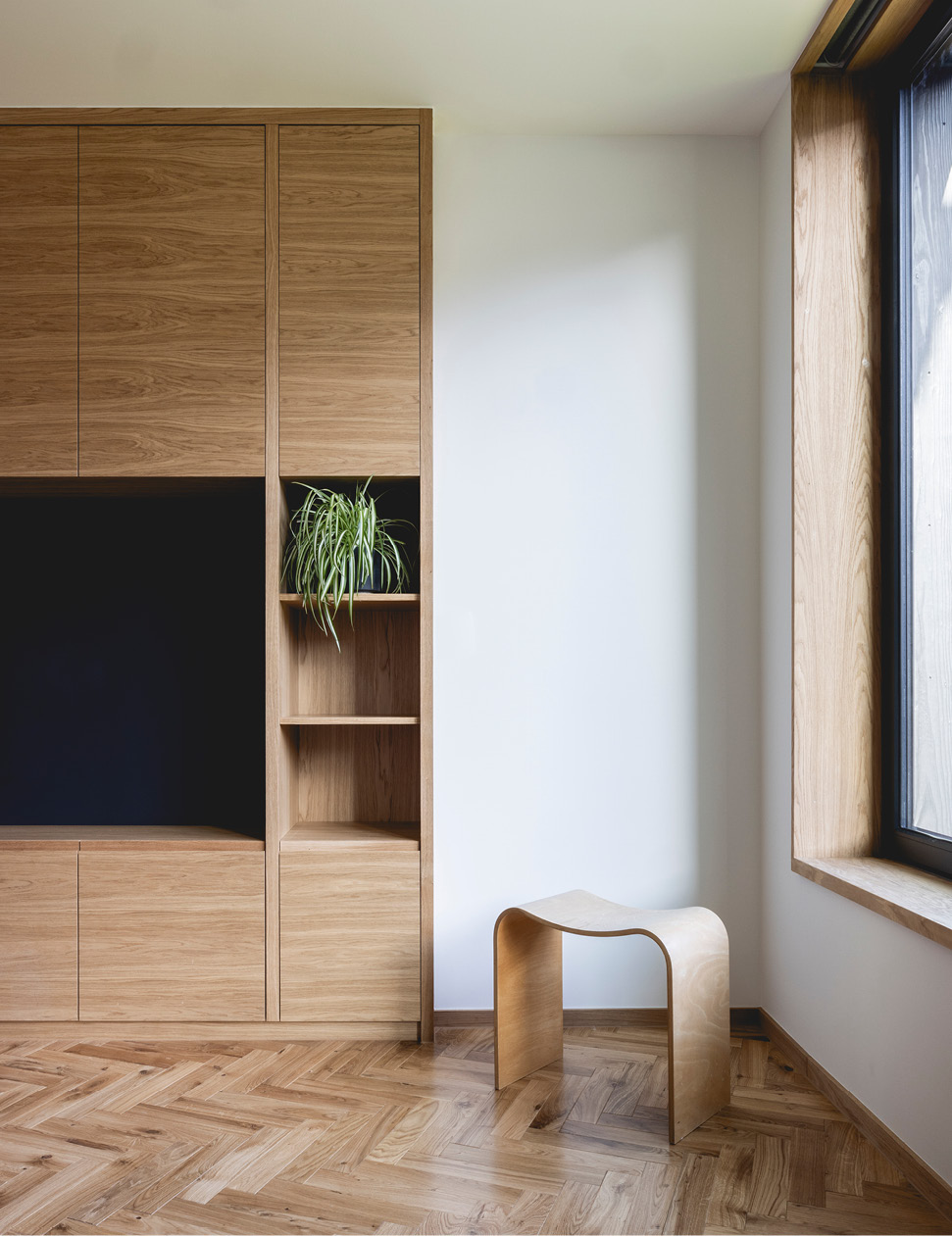
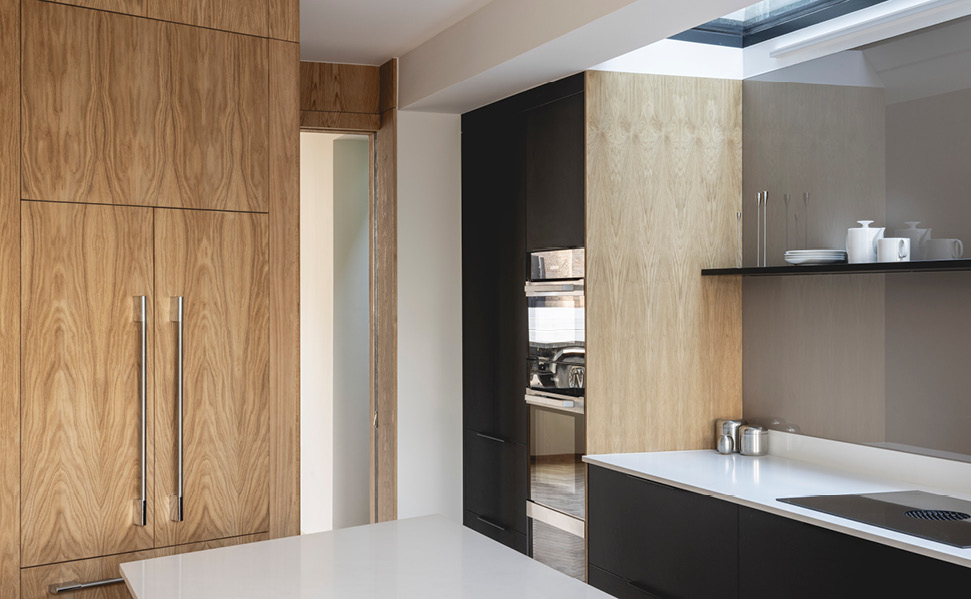
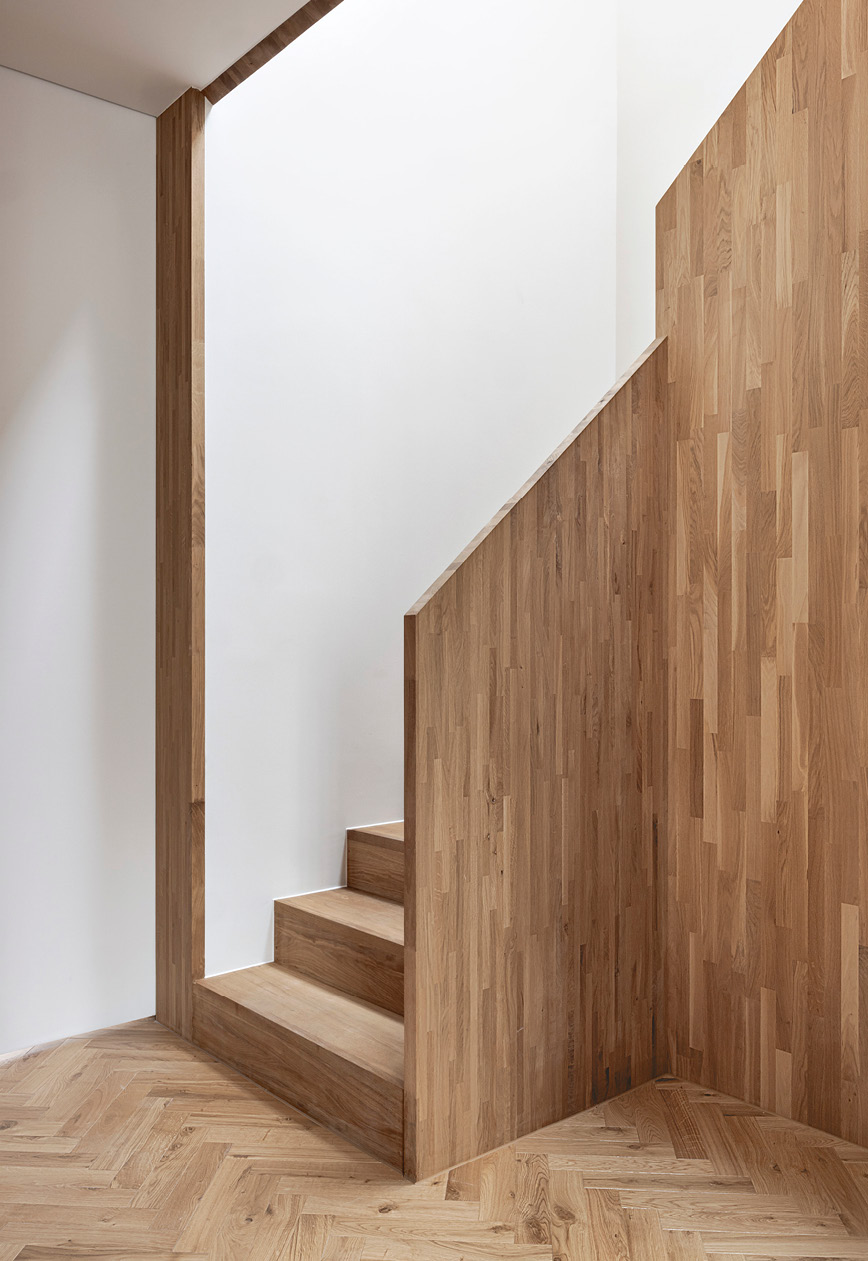
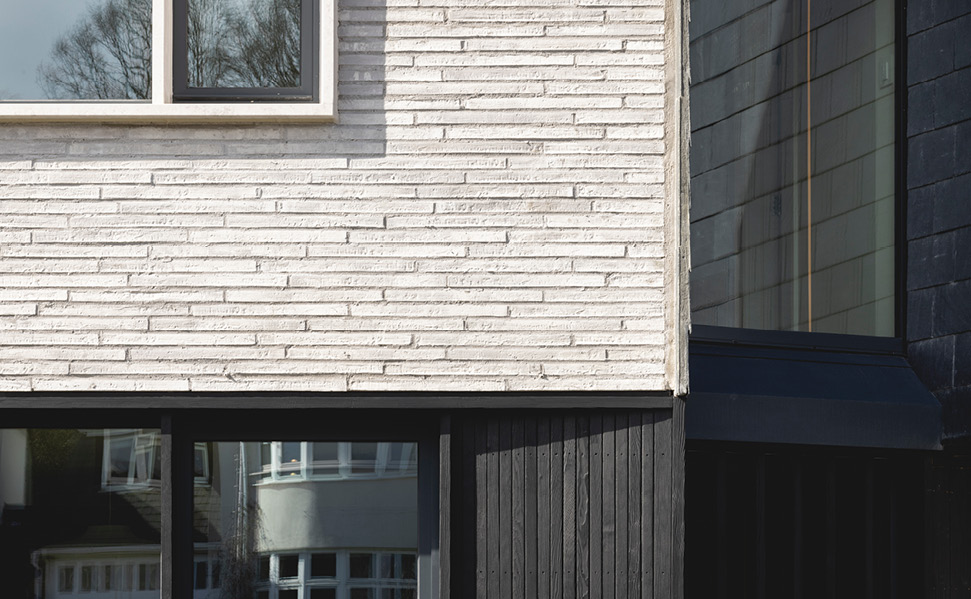
Photos of the completed project
Foro
A cultural centre and student accommodation project based around a shared courtyard
A cultural hub for Città Studí, the design is motivated by the idea of creating a place where students can integrate with the residents of the surrounding areas.
The development involves a courtyard overlooked by two buildings: a student residence, taking advantage of the strategic position next to the Politecnico di Milano campus, and a Cultural Centre, which includes an auditorium, exhibition space, coworking spaces, and studios. The courtyard acts as a shared space, bringing the various users together.
Public realm works are also included, to make the block more pedestrian-friendly and unite the two parts of the campus.
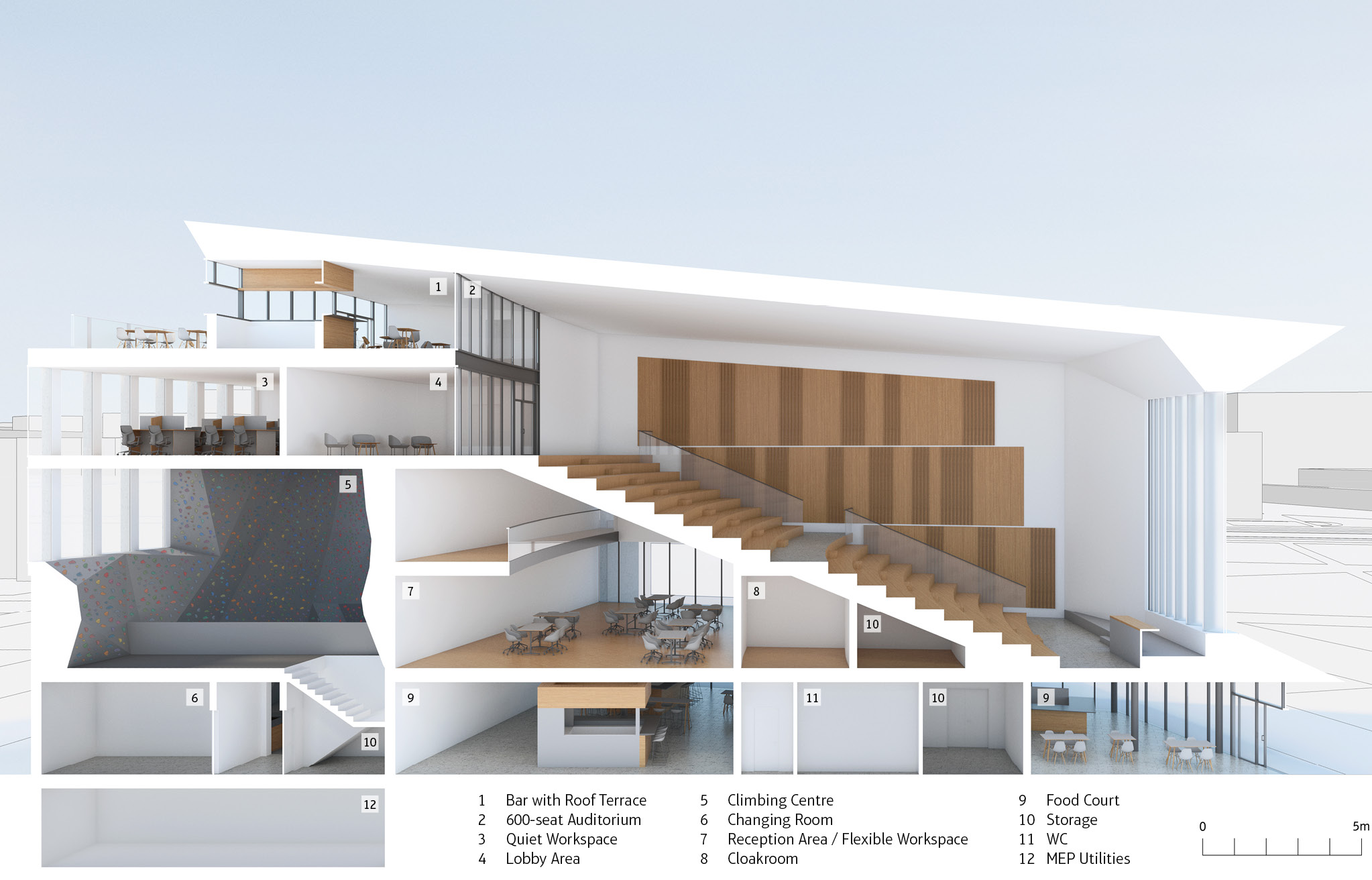
Perspective Section of the Cultural Centre
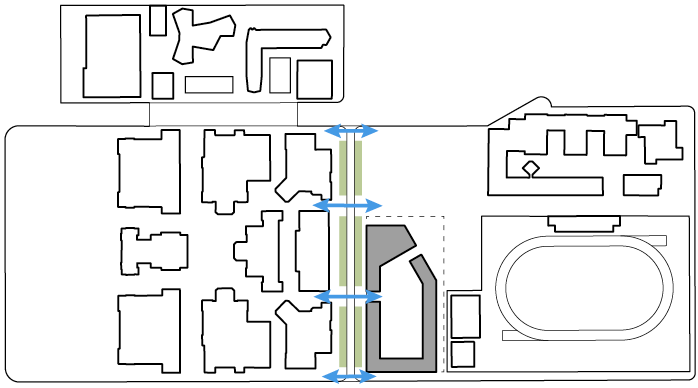
Pedestrianisation and public realm works along via Ponzio, to create continuity between the distinct parts of the campus.
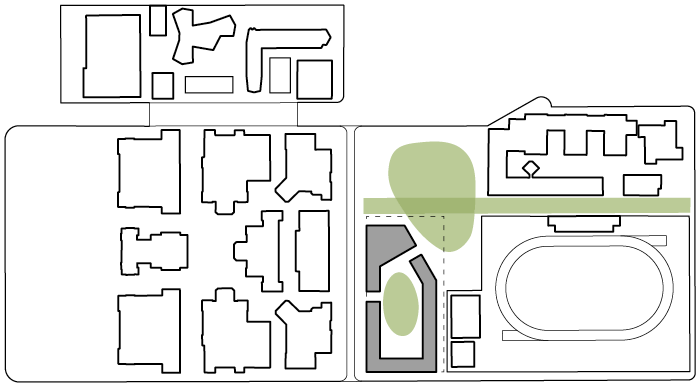
These new spaces join the existing network of public and semi-public spaces, each with a different purpose and character.
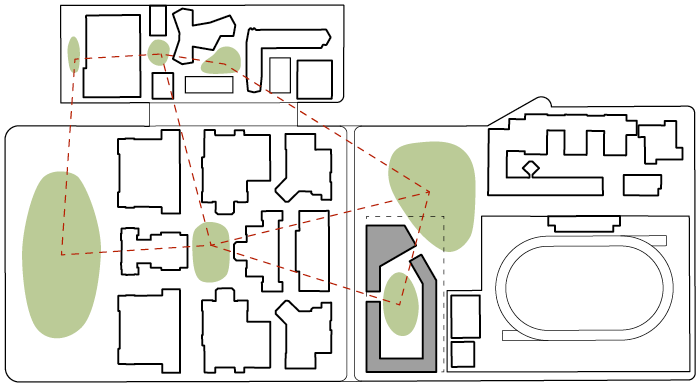
The building engages with the public space to the north, while defining another semi-public space within.
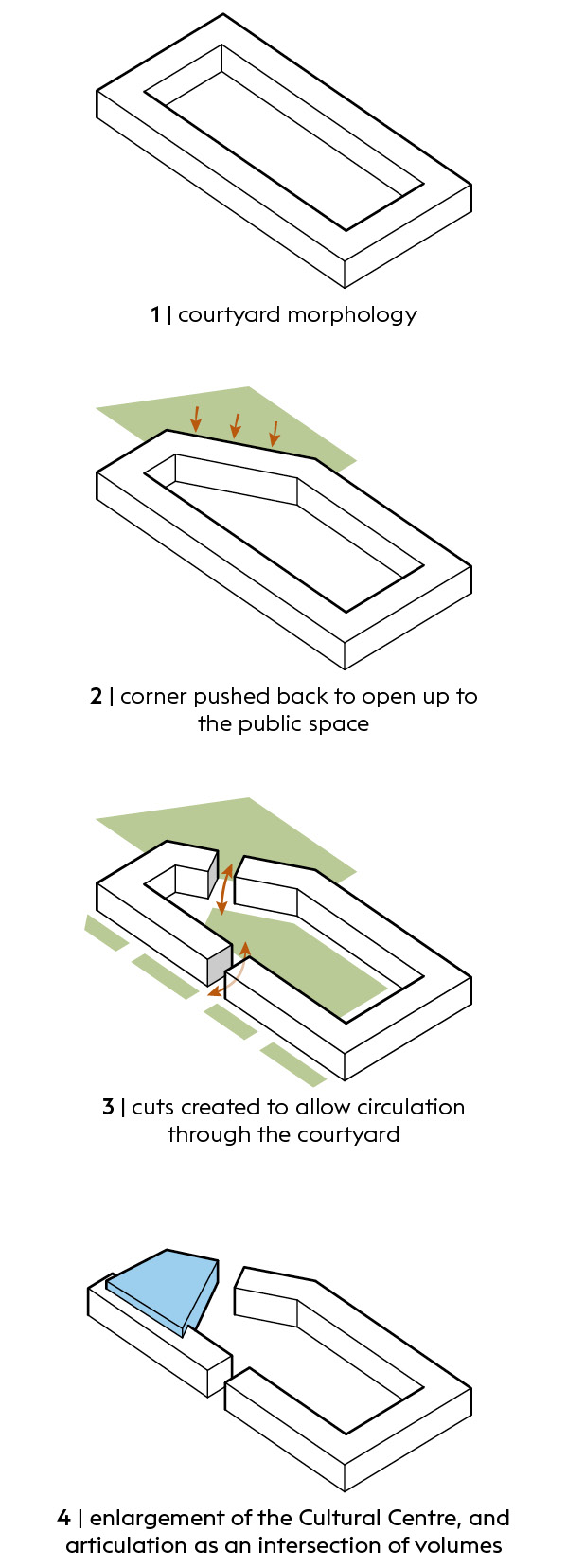
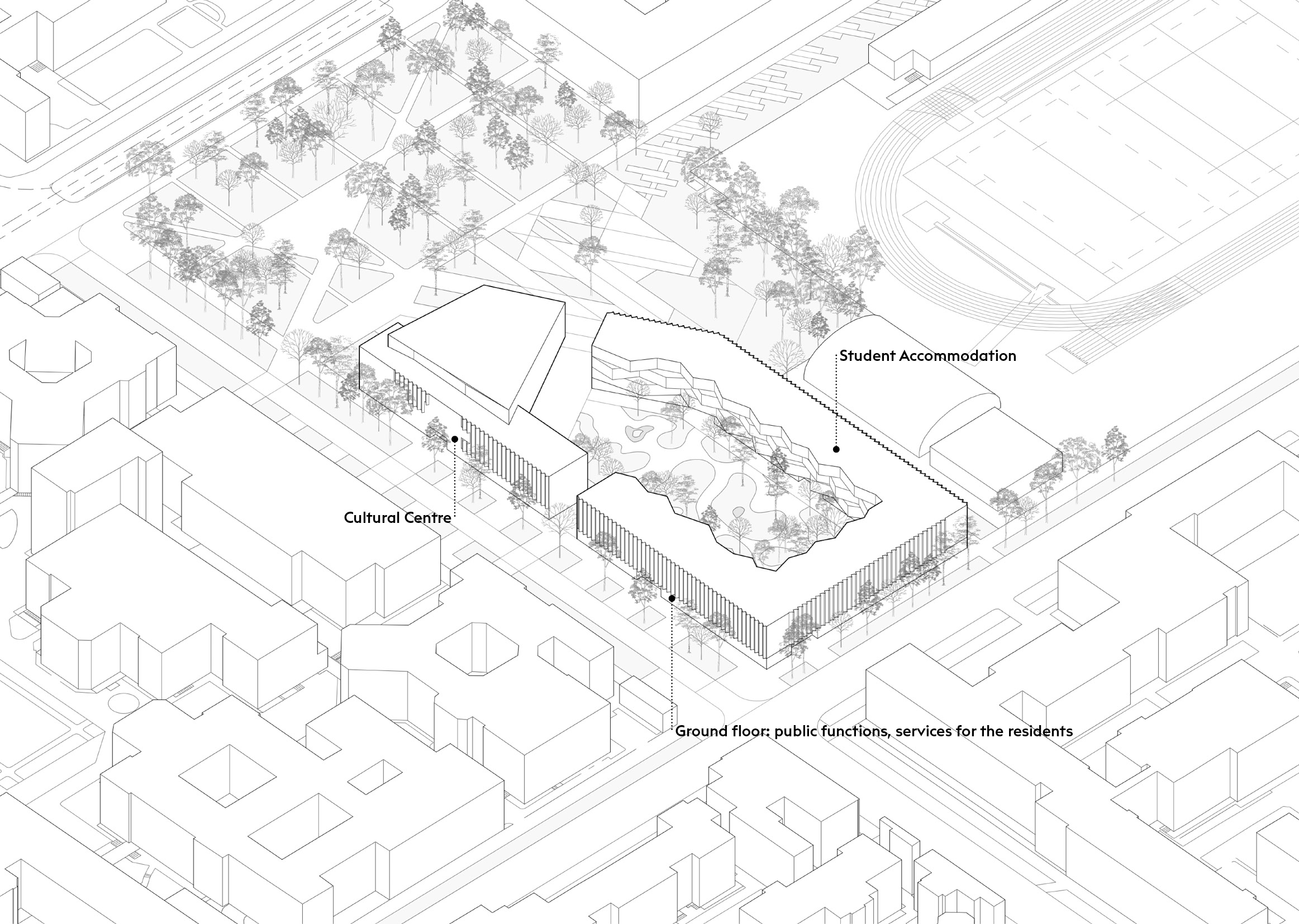
Treatment of the Façades
The elevations create a distinction between the public realm on the outside and the semi-private space of the courtyard.
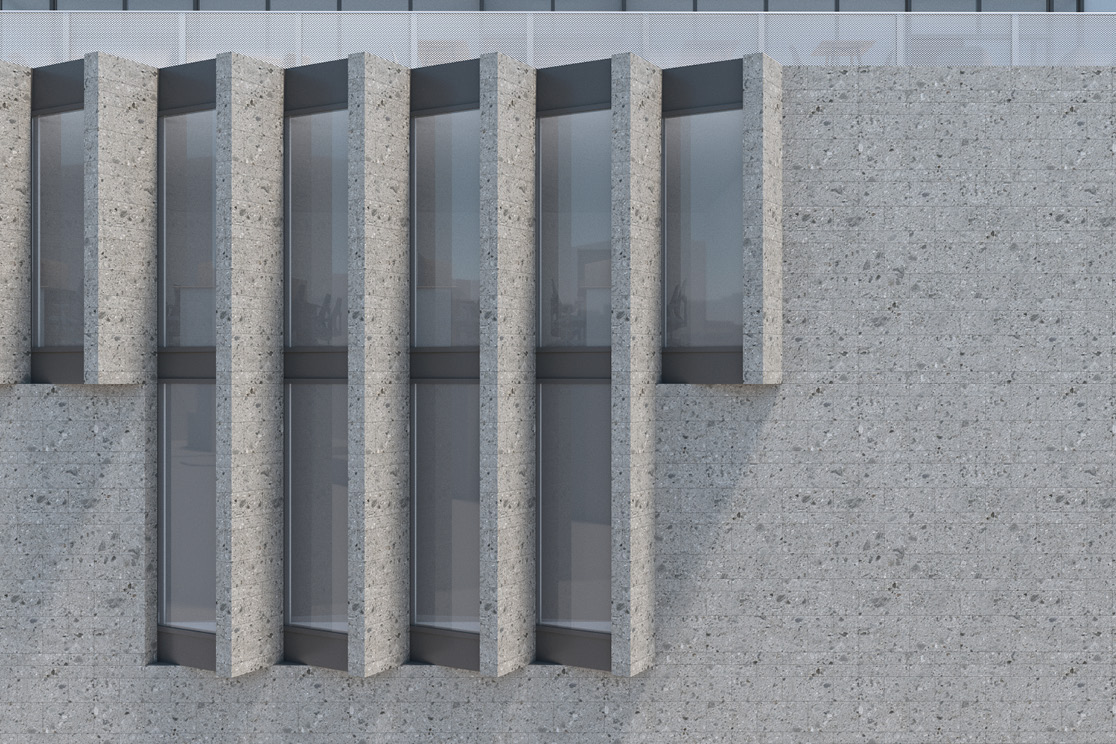
The outer façades are clean and regular, defining its presence on the corner of the block. The windows are angled toward the north, to prevent excess solar gain.
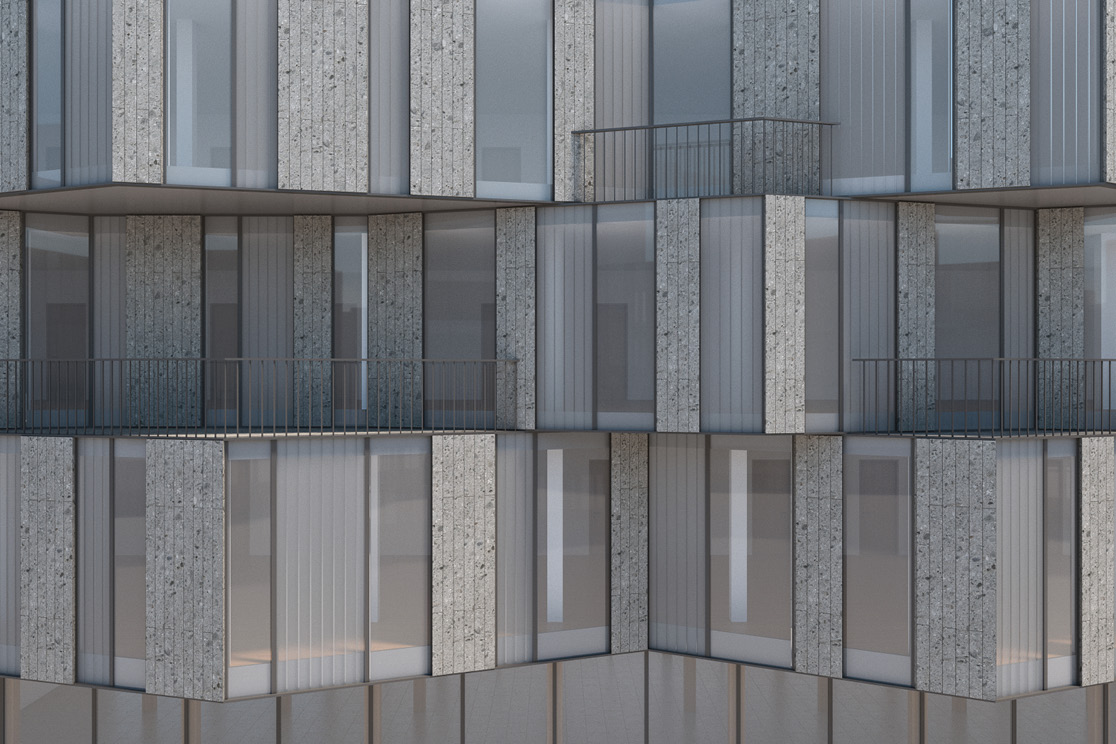
The courtyard façades feature a dynamic, angular geometry, weaving in and out to create balconies connected to the communal spaces.
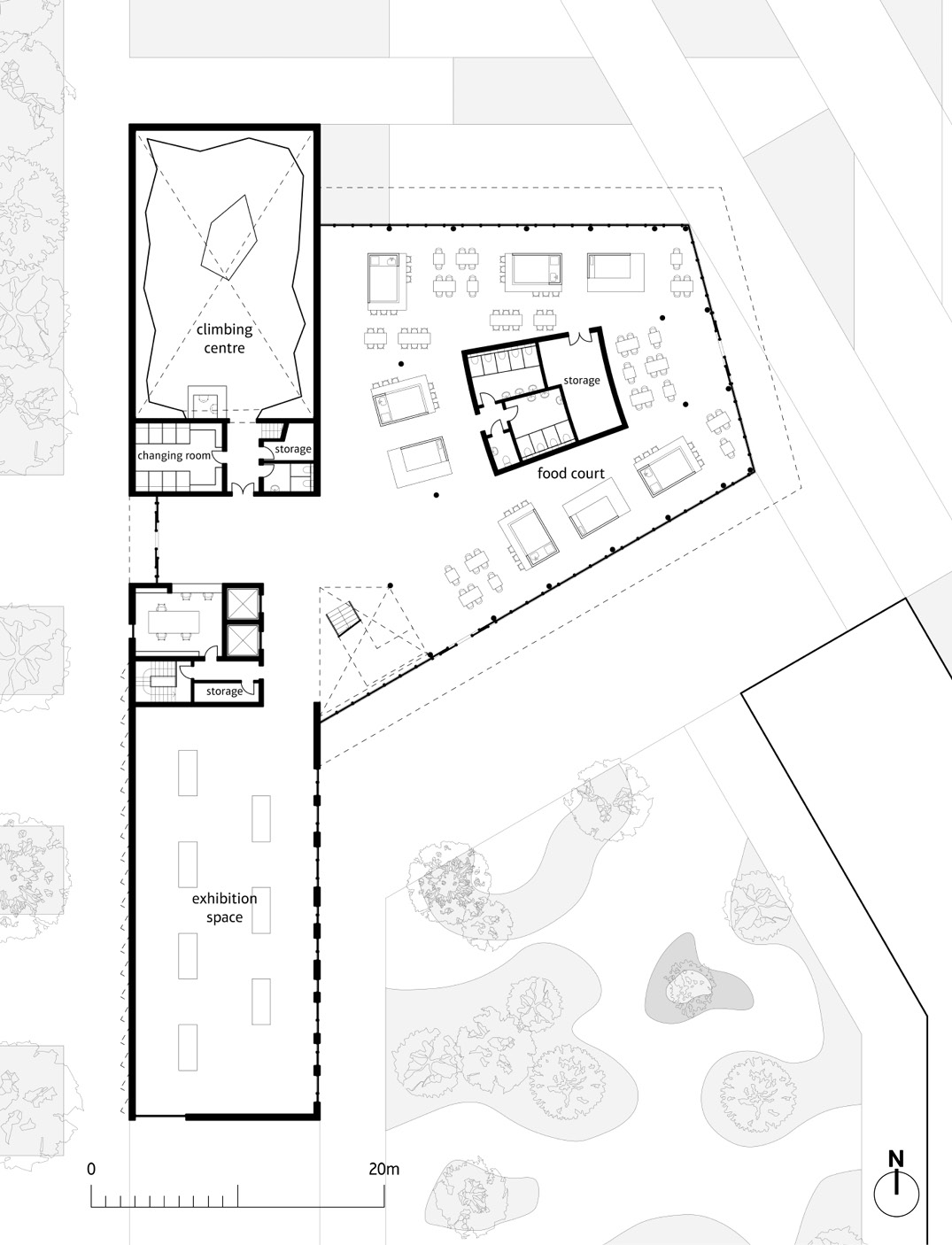
Cultural Centre: Ground Floor Plan
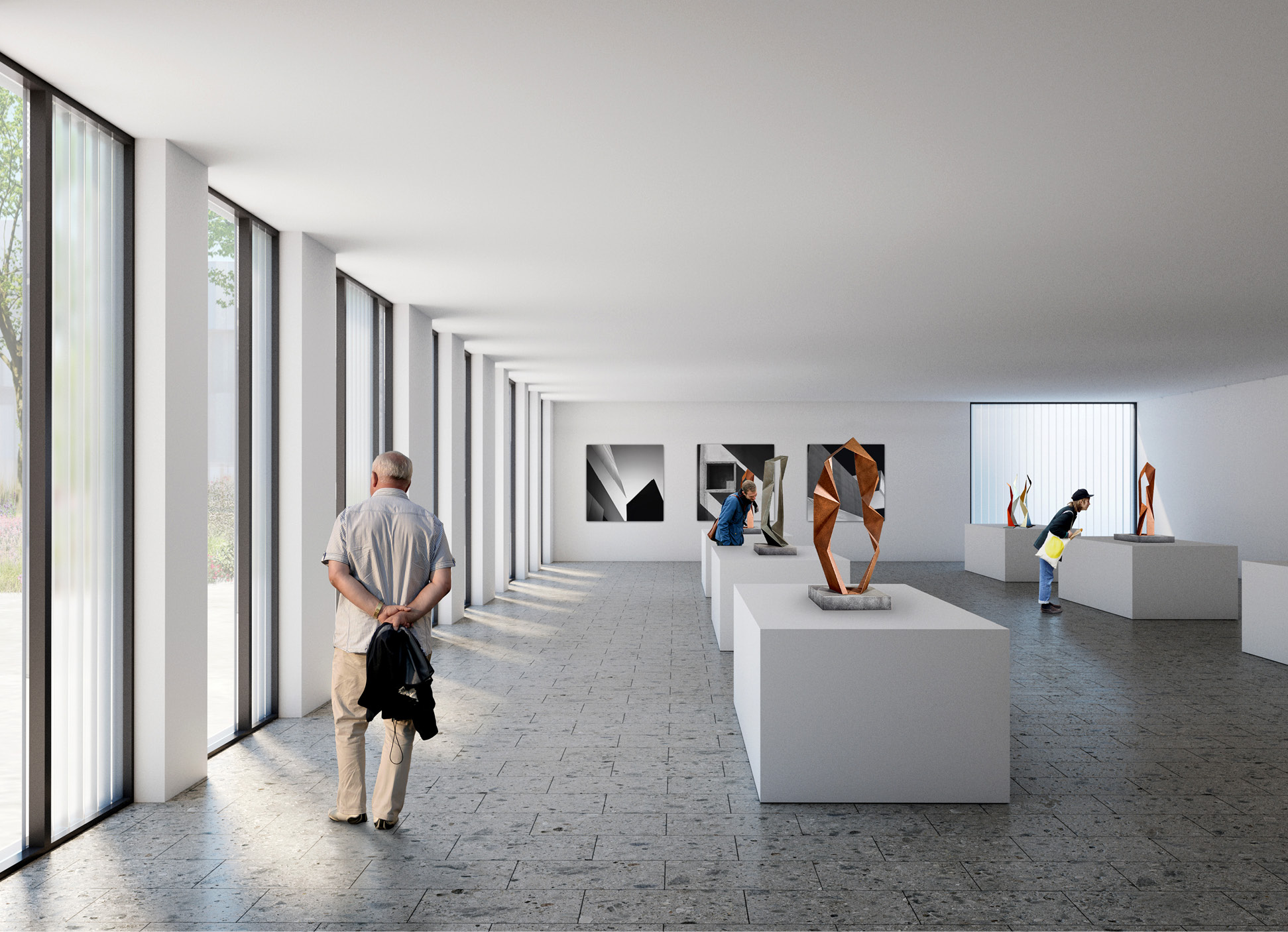
Cultural Centre: View of the Exhibition Space
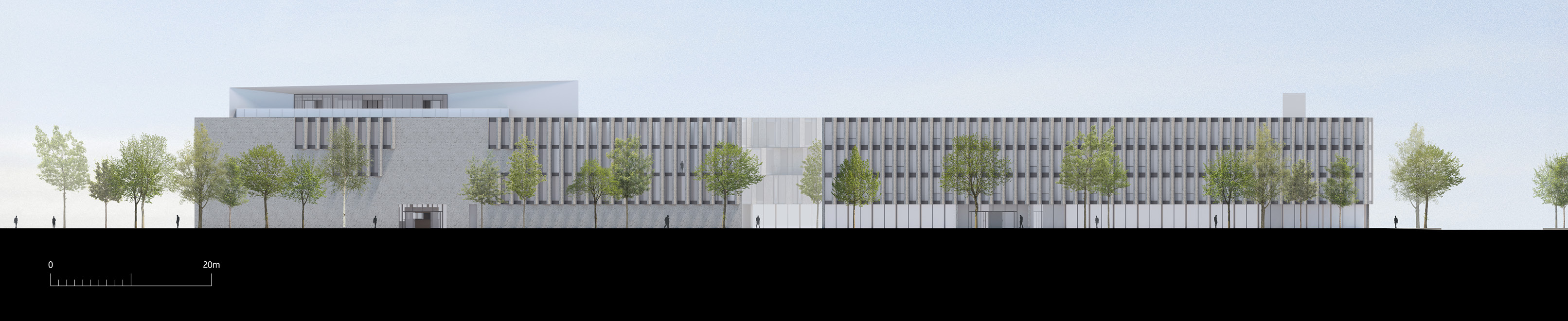
Cultural Centre and Residential Building: West Elevation
Repose
A building for contemplation through activity
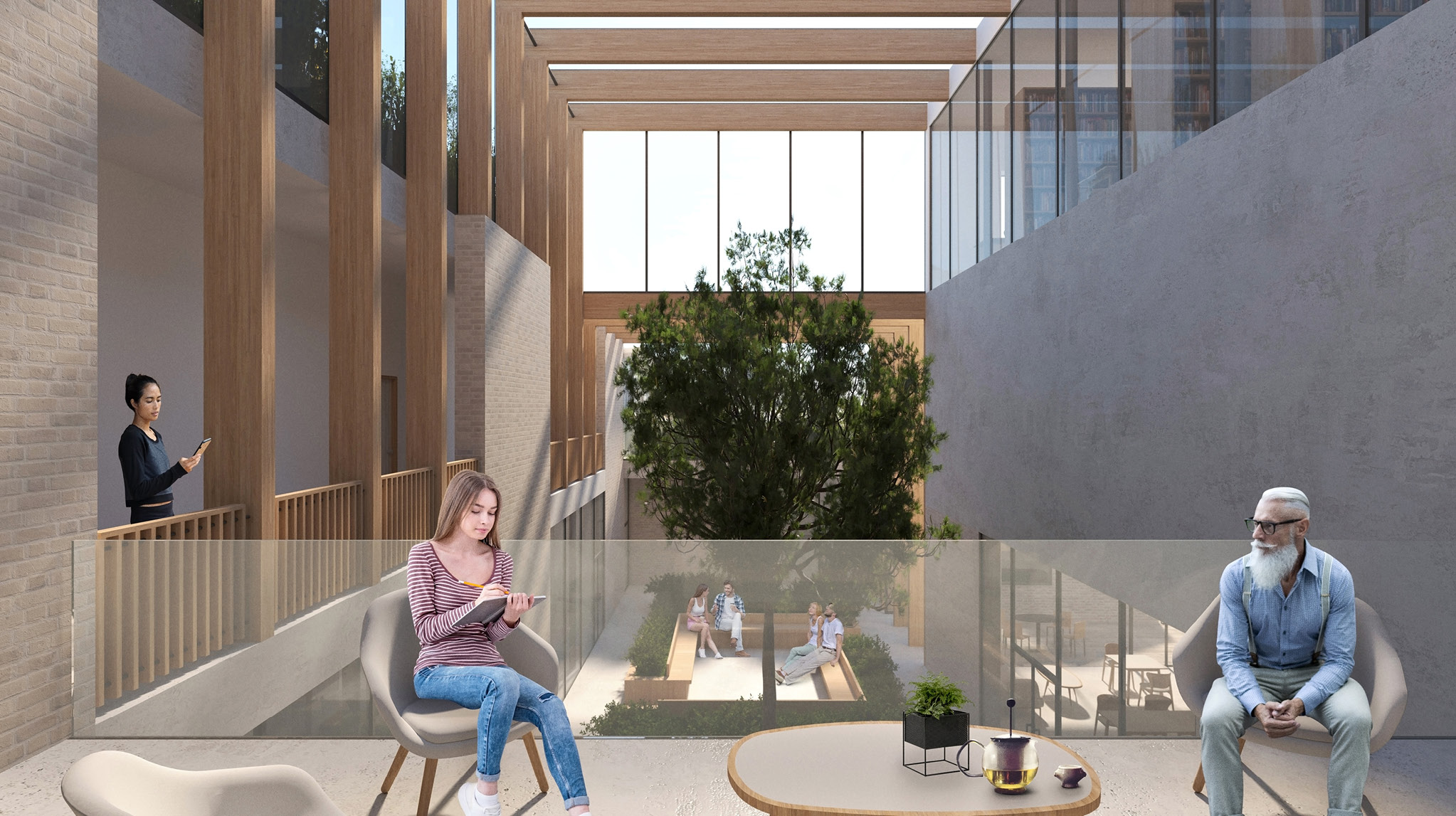
Set in the heart of the city, the building provides space for activities that are conducive to contemplation, and which induce a calm state of mind in the visitor. Studios are provided for various activities including glass-blowing, pottery and yoga.
With no street frontage, access is provided by a passageway coming from one of the main streets. The building is addressed only by the backs of the surrounding buildings, which also serve to protect it from the commotion of central Bath and grant it a sense of calm seclusion.
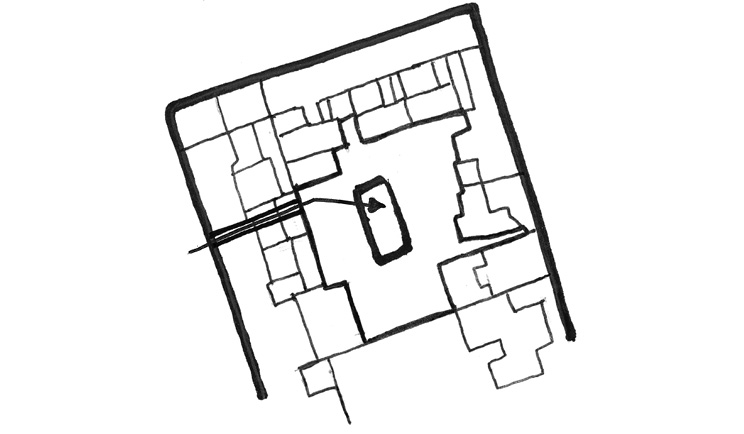
Order within chaos: the backs of the surrounding buildings are disordered in their form. The proposal creates a calm and ordered space within, centred around a three-storey atrium.
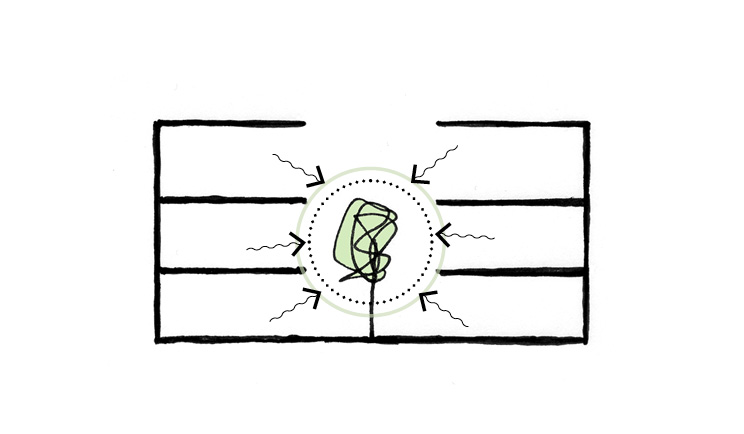
An introspective building: the principal spaces primarily address the atrium, which is also experienced by all visitors as they circulate around the building. In this way, the atrium brings unity to the activities within.
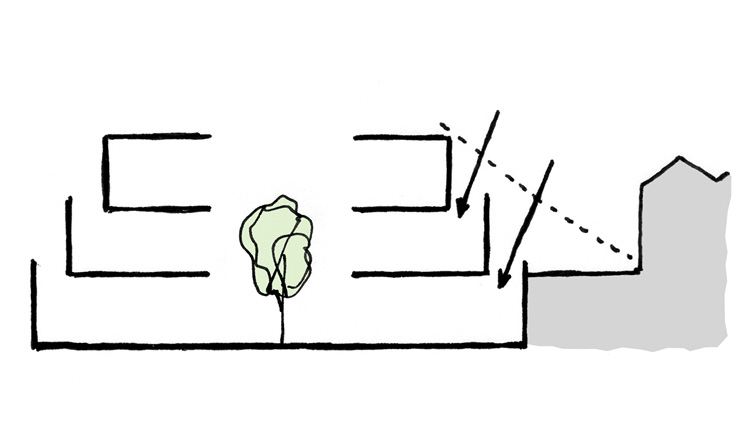
Opportunity from constraints: the building steps back between every level, to allow for sky-lighting, and to avoid overshadowing the neighbours.
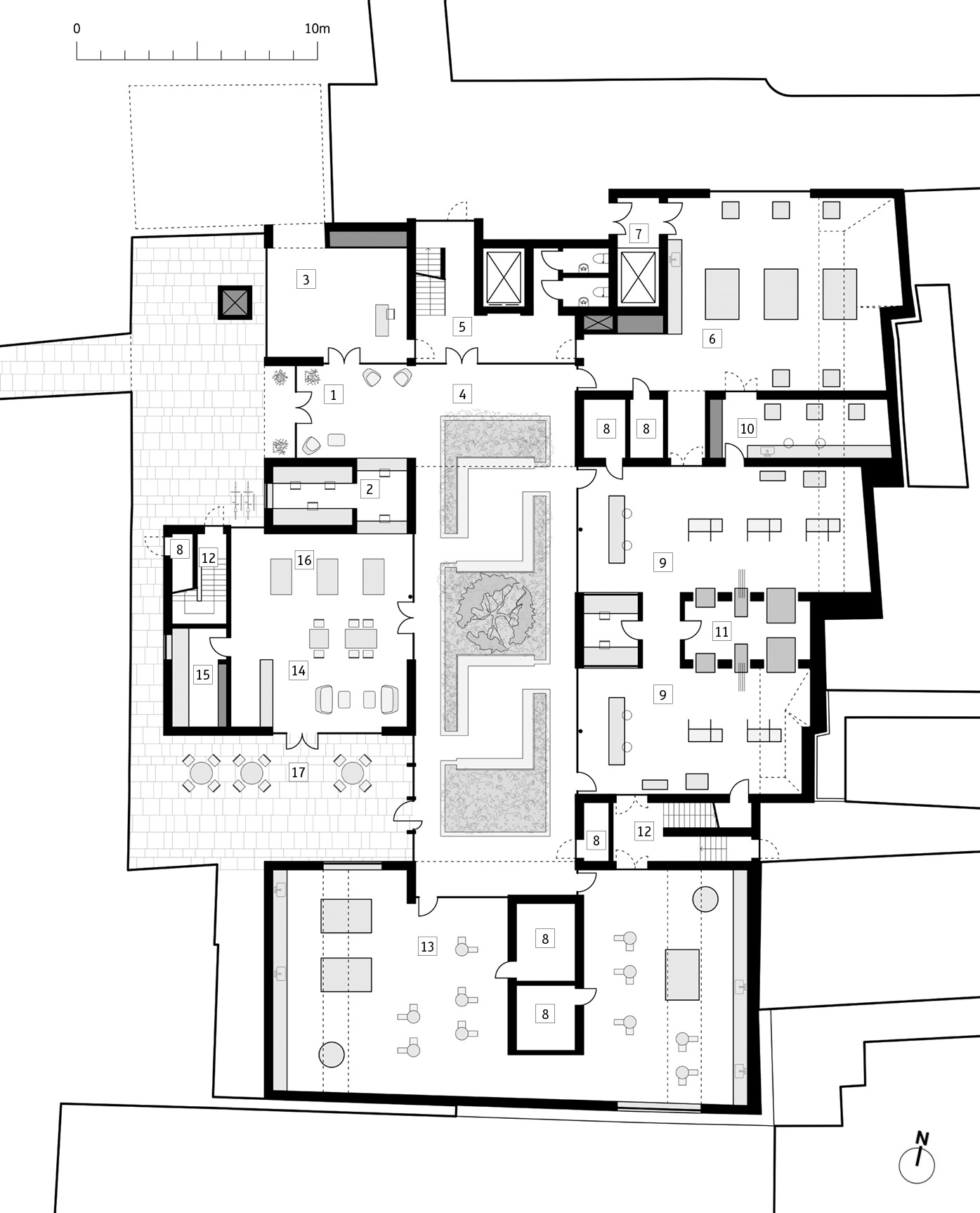
Ground Floor Plan
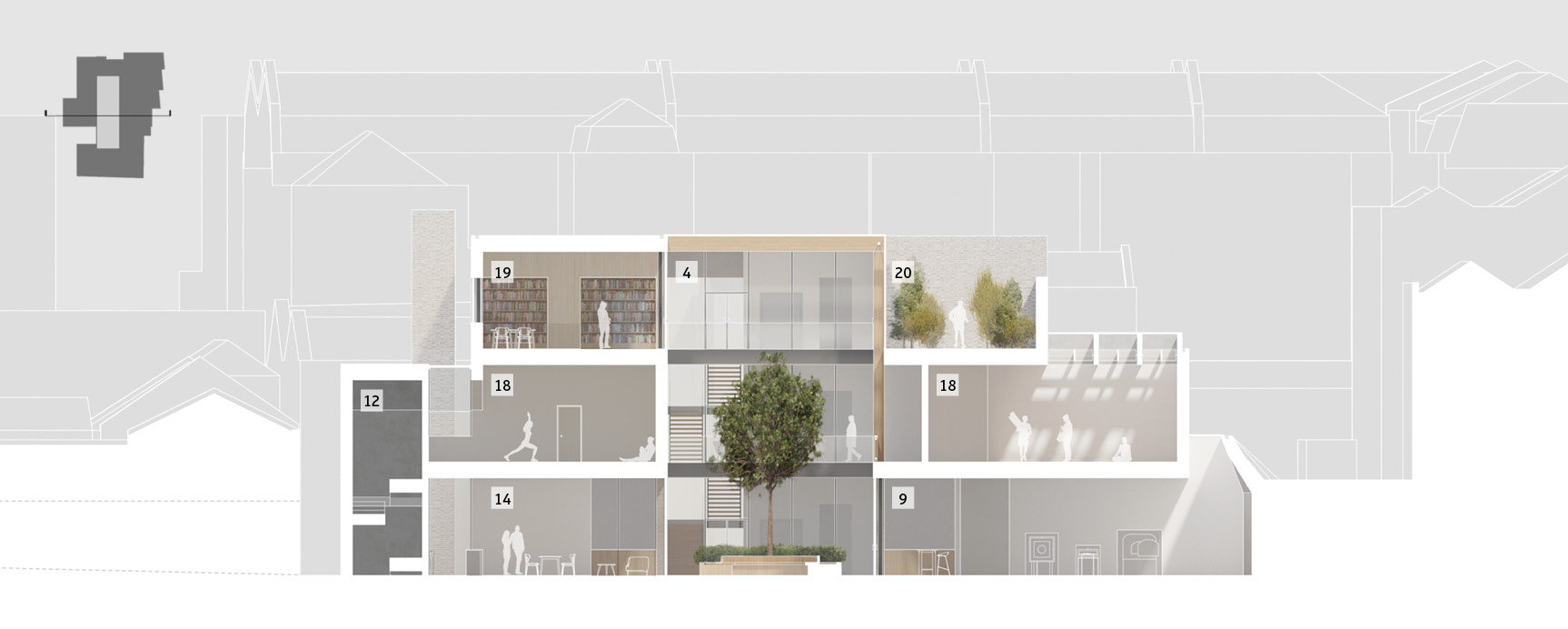
Short Section

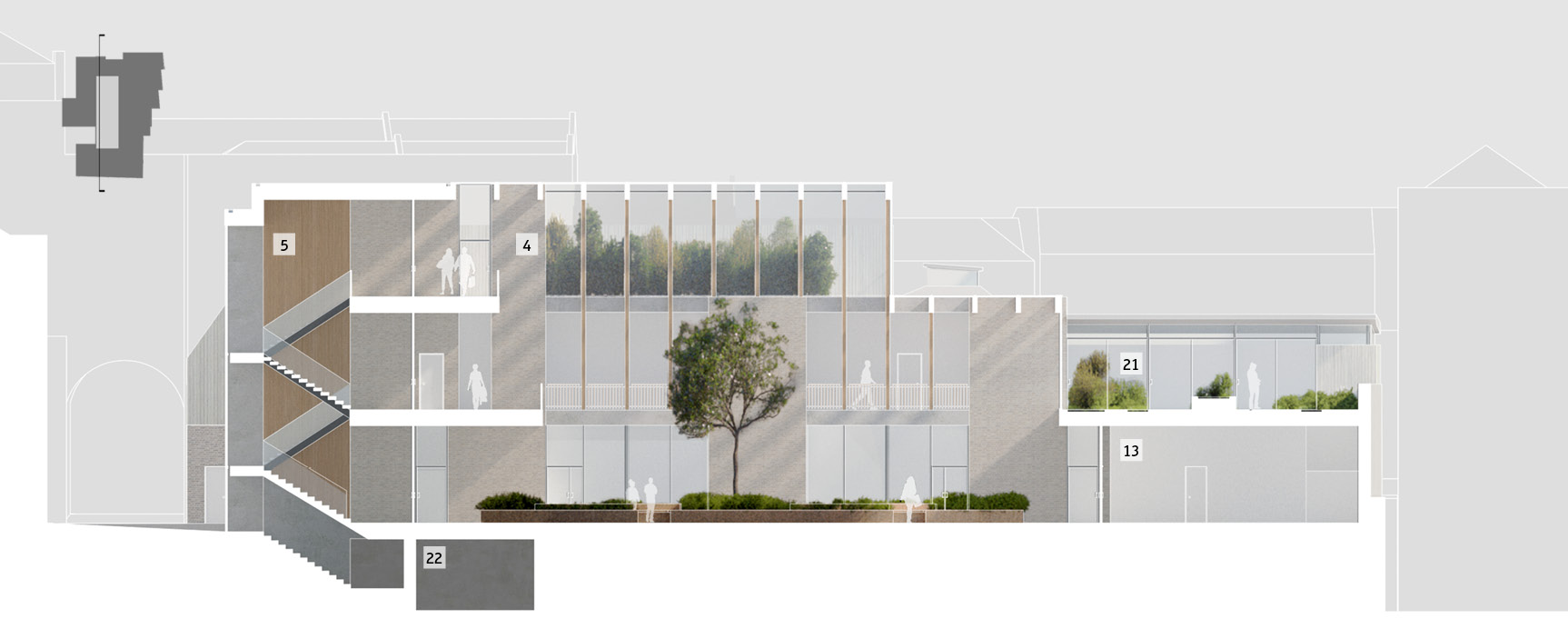
Long Section
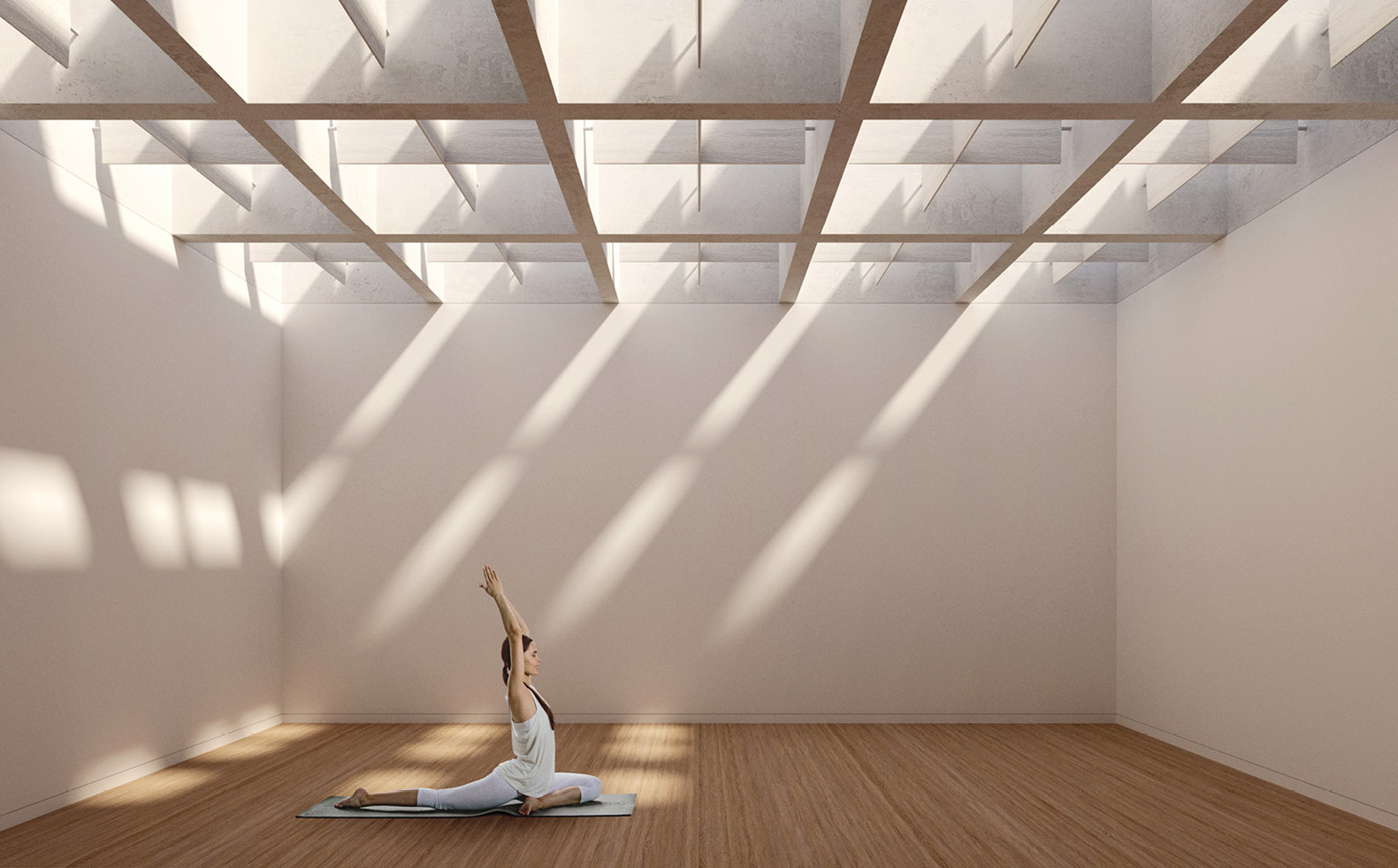
The main Yoga studio, also suitable for Tai Chi, Capoeira and similar physical activities. A major grid of concrete and a minor grid of white-stained timber fins softens the light and adds privacy.
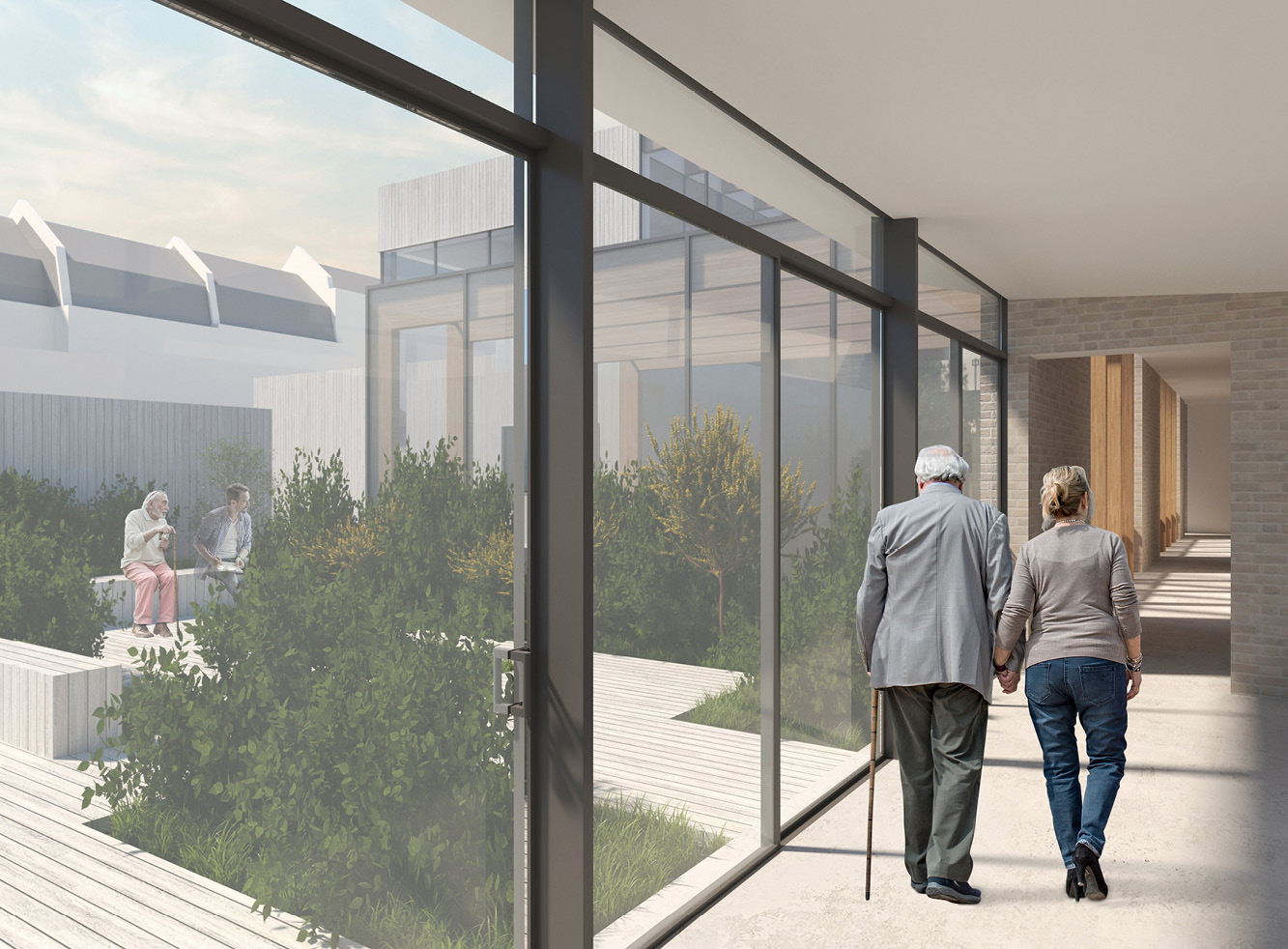
A roof garden at first floor level, with seating areas broken up by areas of planting. An internal contemplation space looks over the garden – a way of connecting with it in the winter
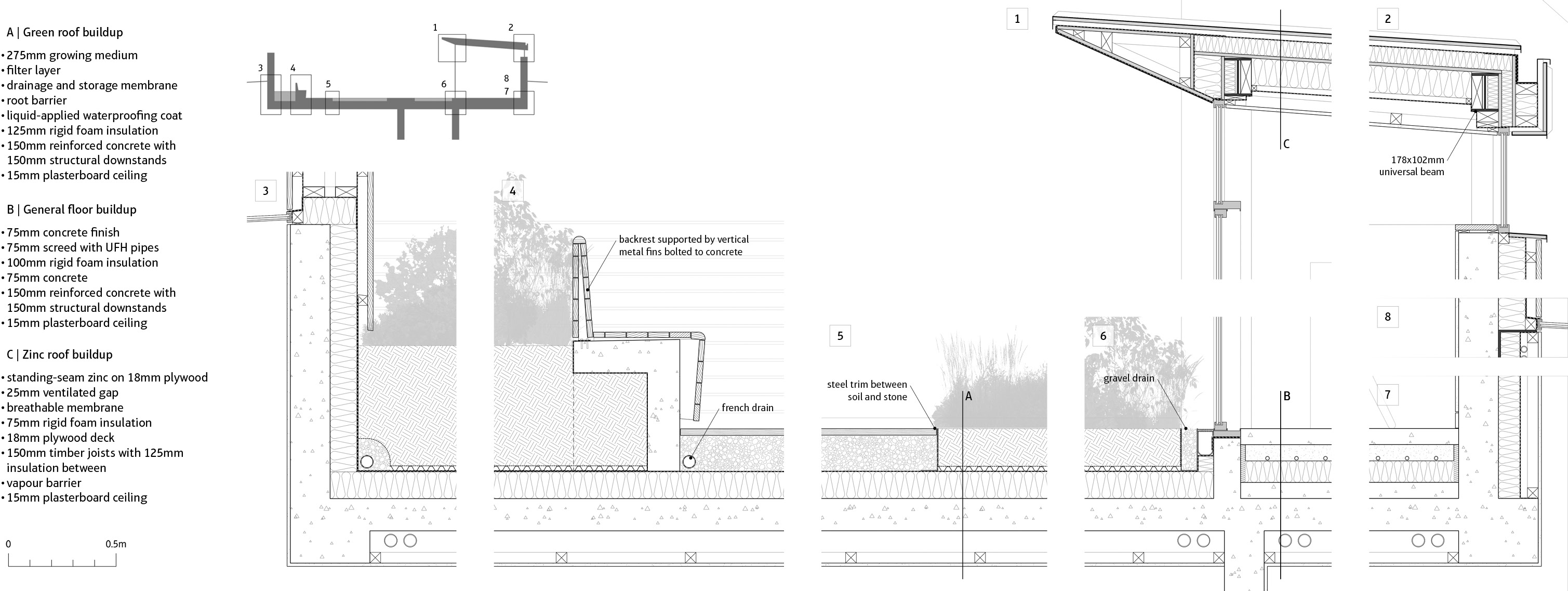
Detailed Design of the Roof Garden and Contemplation Space
Innovation District
Landscape proposal for the MIND regeneration project in Milan
The former EXPO 2015 site is being regenerated to become an innovation district following a masterplan by LAND. As part of a course taught by Andreas Kipar, we first developed a landscaping concept for the whole site, then a more detailed proposal for a specific area.
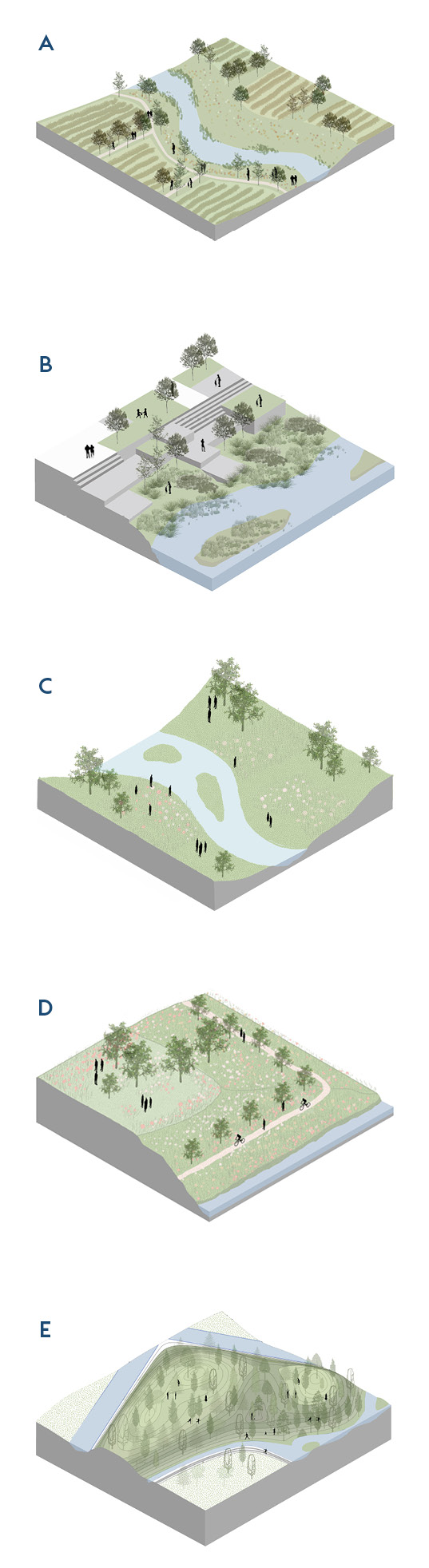
Our proposal centres on a new waterway running through the site, creating a sequence of public spaces and introducing a stronger relationship with water. Sloped banks bring people close to the waterway, making it a defining element of the area.
Topography is manipulated to reinforce this concept. Excavated material from the waterway is used to enlarge an existing hill at one end of the site, originally formed from construction rubble. A dialogue between natural and urban geometries defines the character of the spaces.
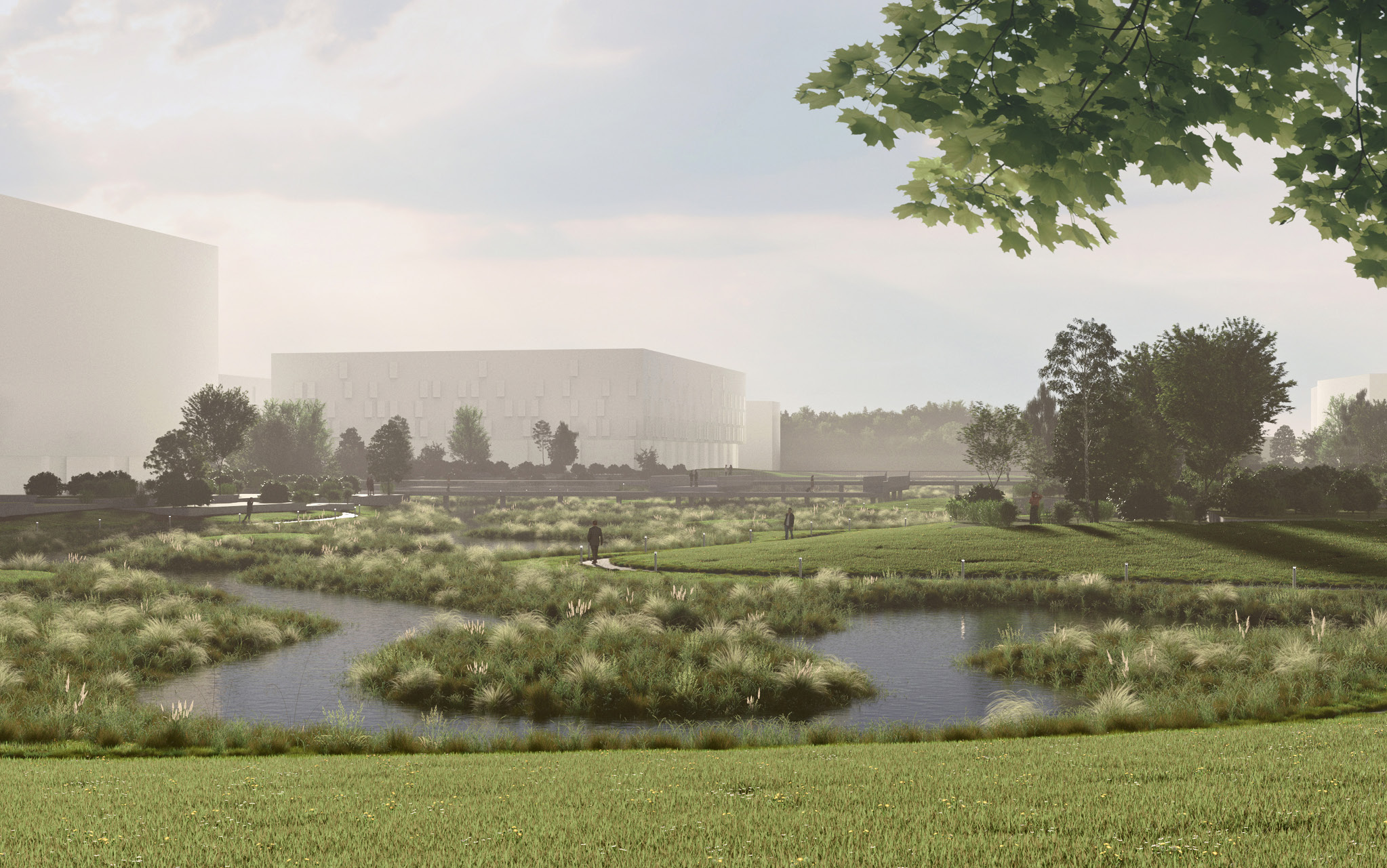
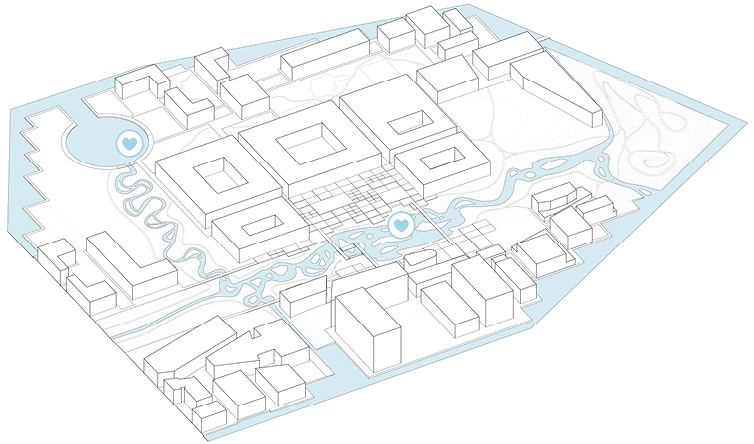
Central waterway with organic geometry, creating a strong spatial identity and inviting interaction with nature.
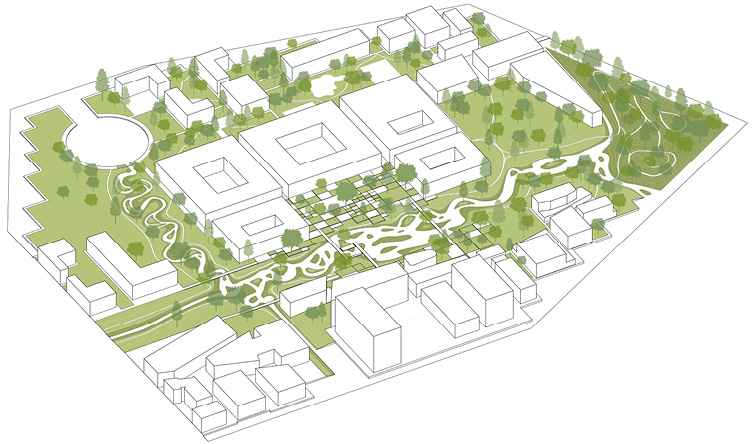
Green public spaces and vegetation, creating a restorative, biodiverse landscape
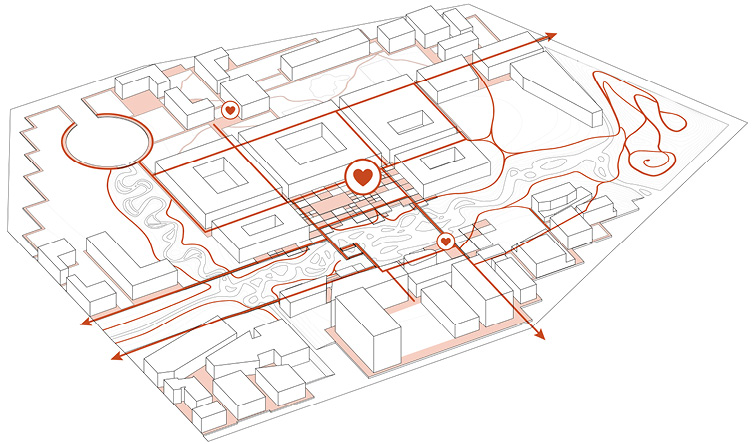
Circulation and paved areas, providing spaces for gathering or for rest.
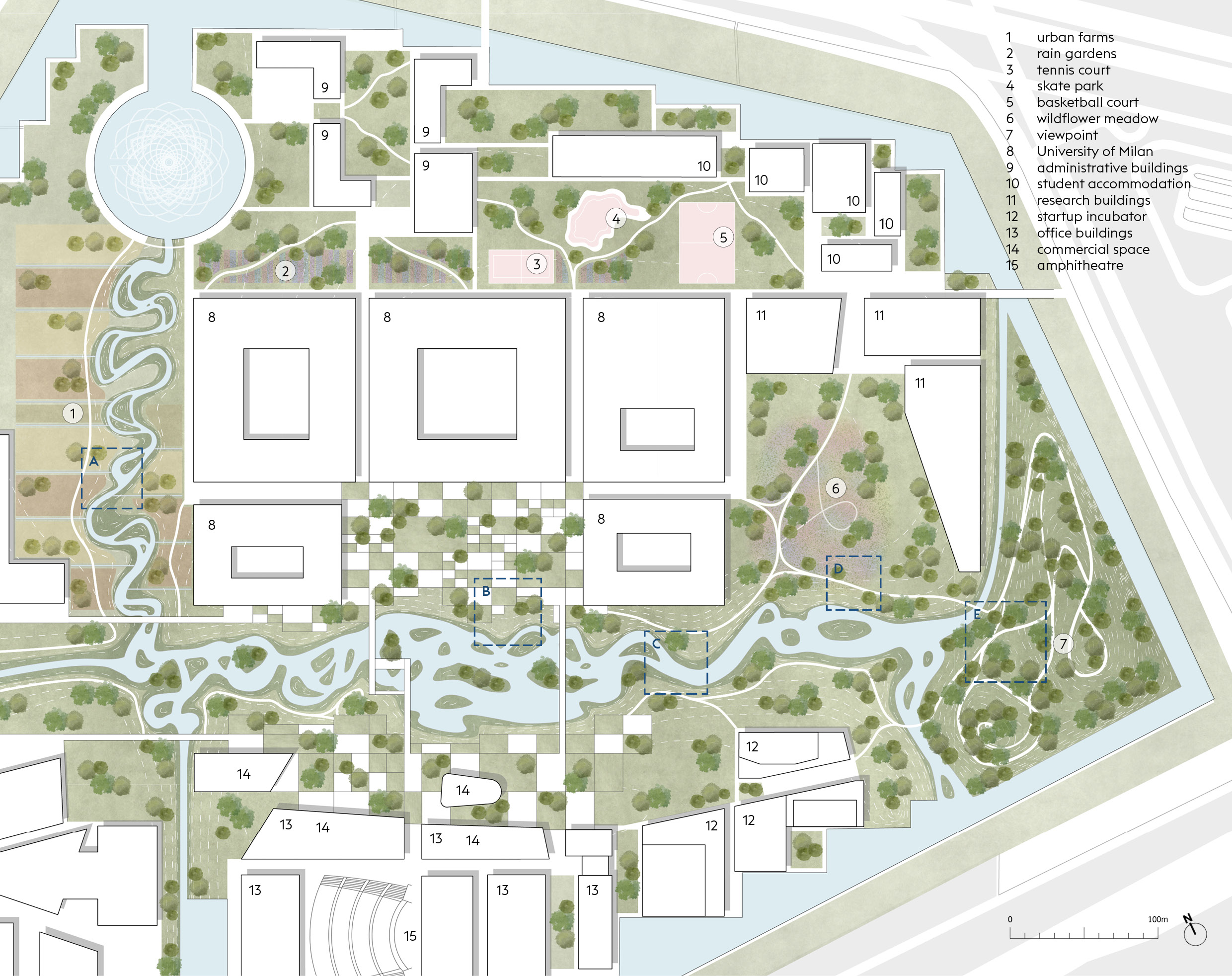
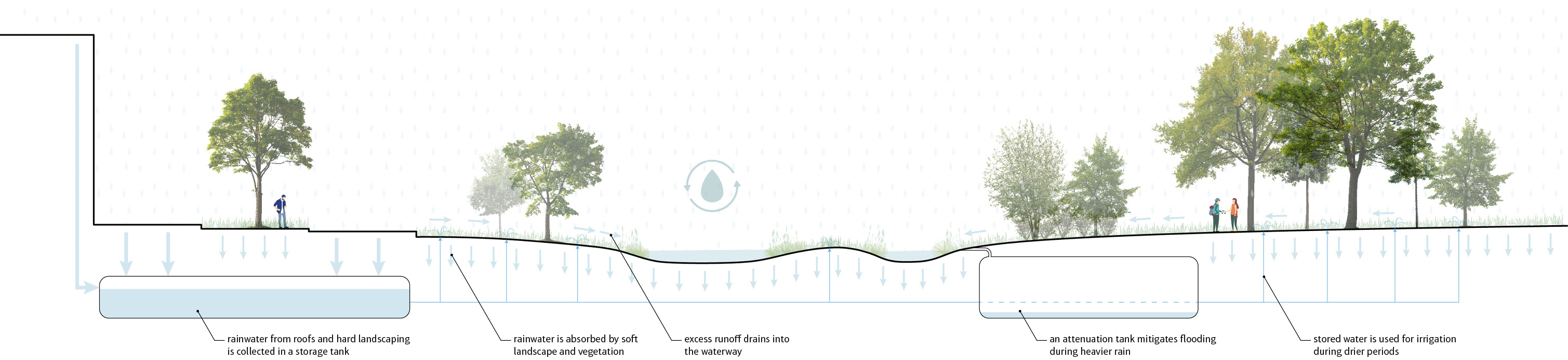
Water Management
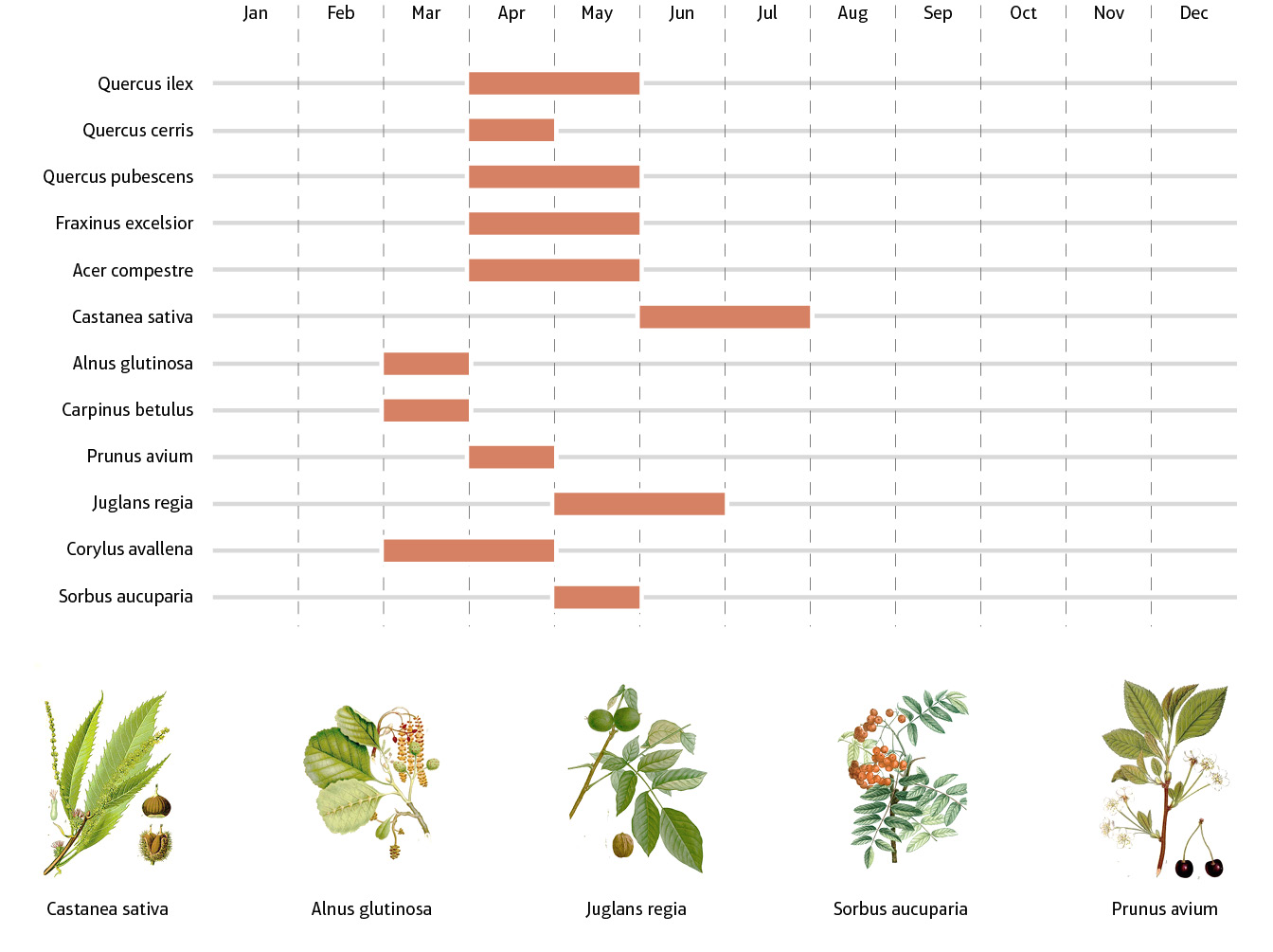
Calendar of Bloom: Trees
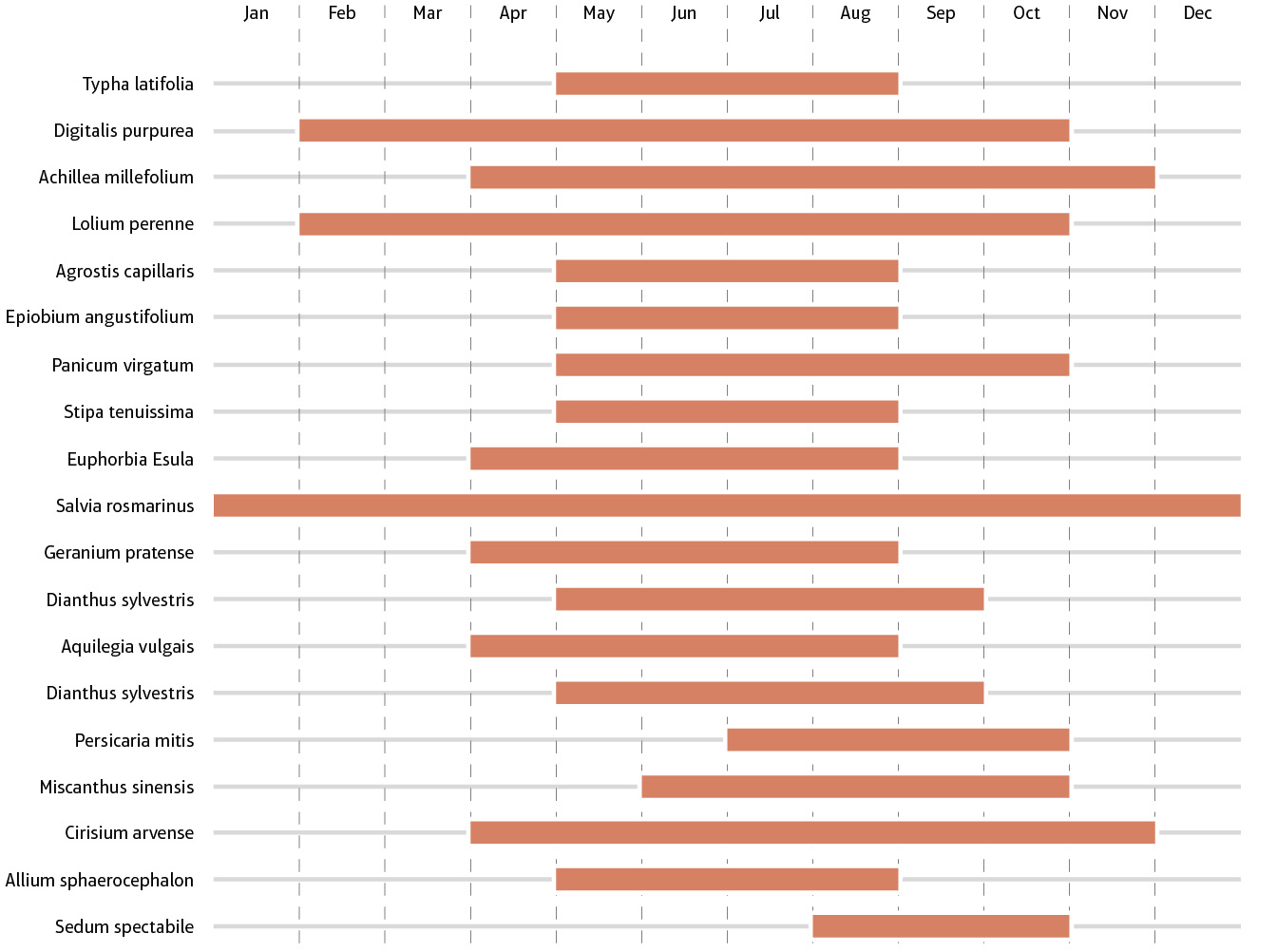
Calendar of Bloom: Bushes
Theater Der Kunst
Arts and performance space alongside the Spree, Berlin
This cultural space reinforces the relationship between theatre and art, by providing a centre with adaptable spaces for anything from interactive sculptures, to performance art, to more traditional plays.
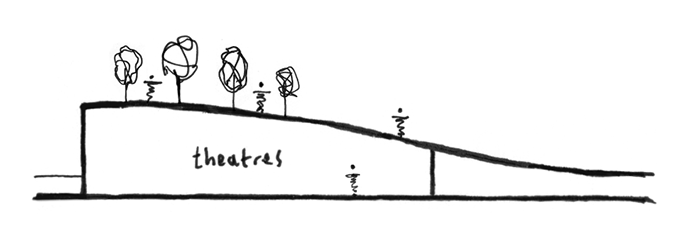
Located between the East Side Gallery and the Spree, the building is buried under an accessible green roof that slopes down to seamlessly connect with the ground and surrounding landscape.
“I realise the power of art that does not hang on the walls of galleries.”
— Marina Abramović
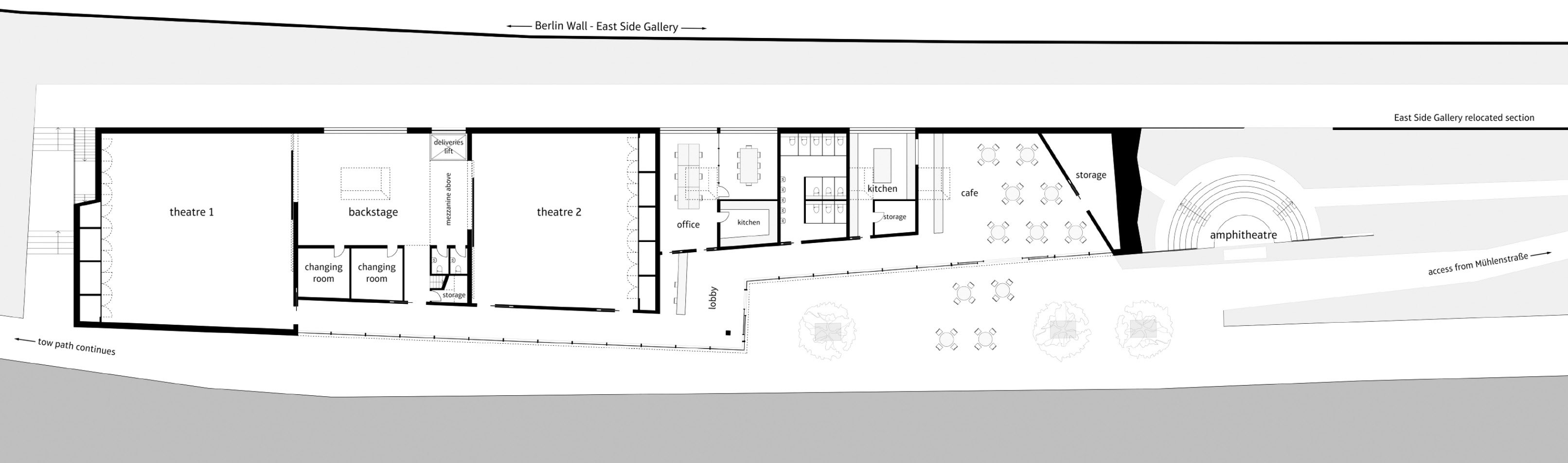
Ground Floor Plan
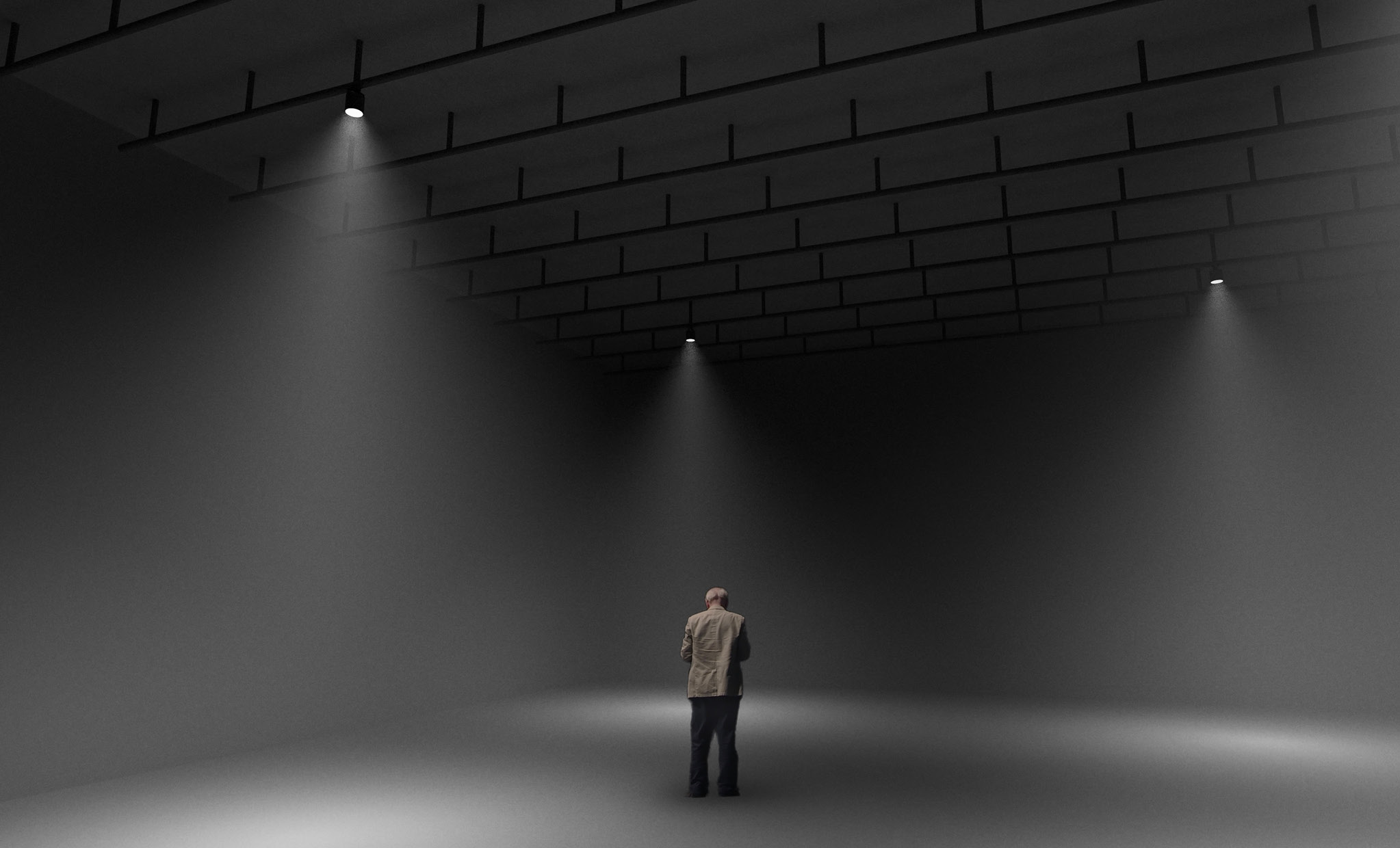
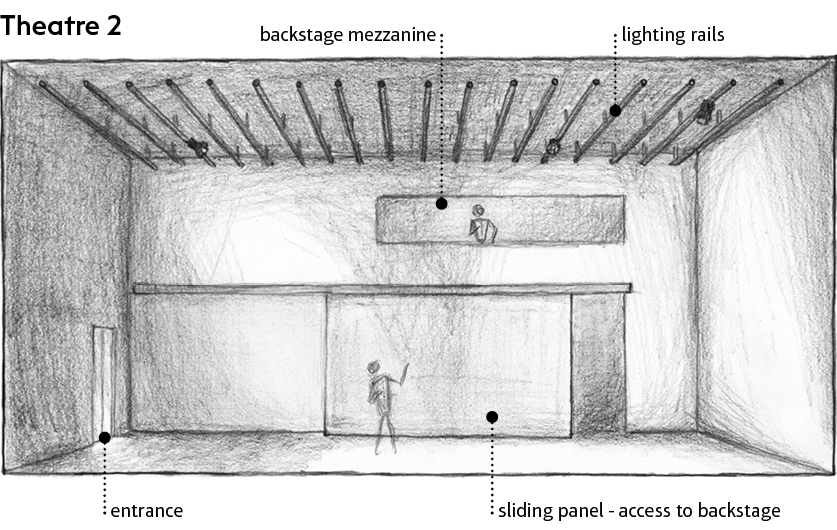
As adaptable spaces, the theatres' only permanent features are the lighting rails and the large sliding doors, which allow large pieces to be brought in from the backstage area.
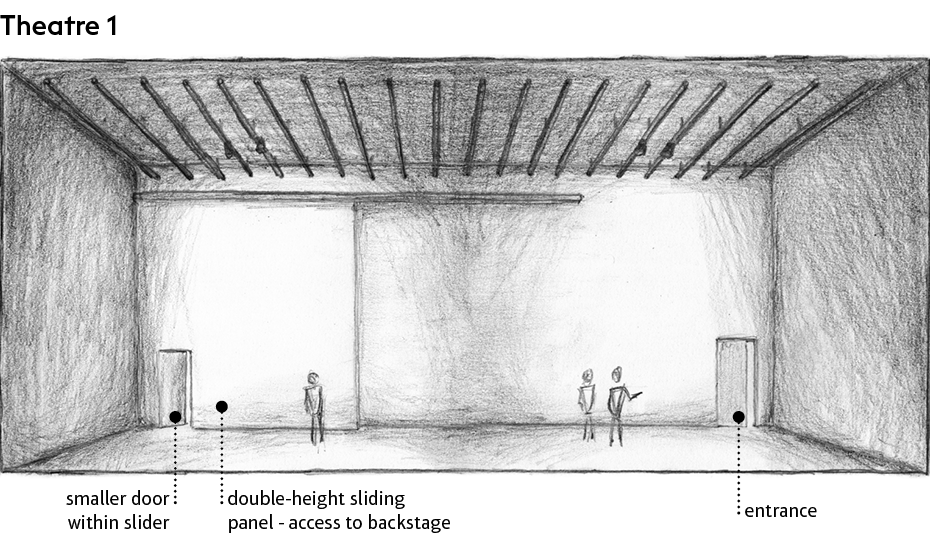
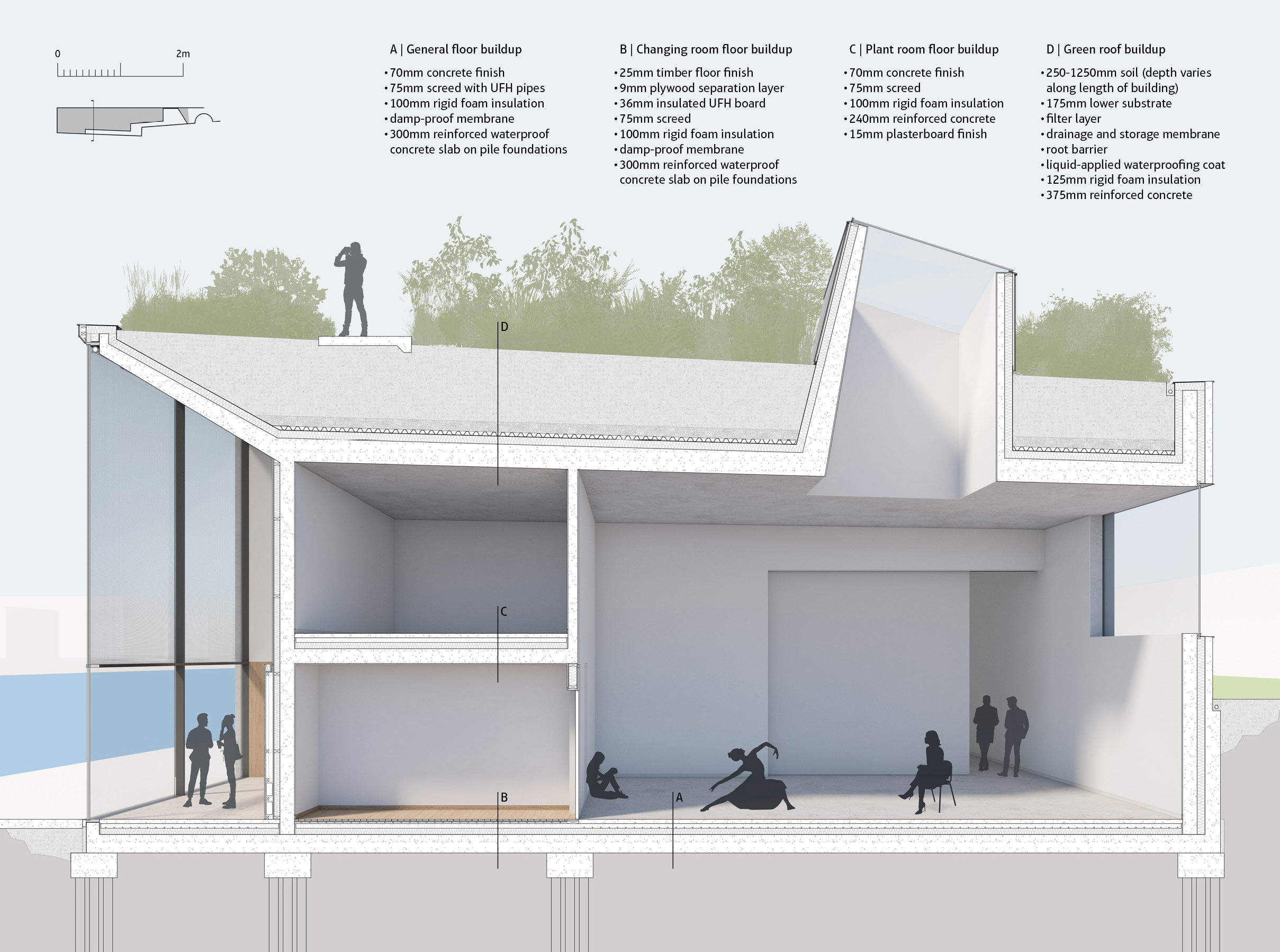
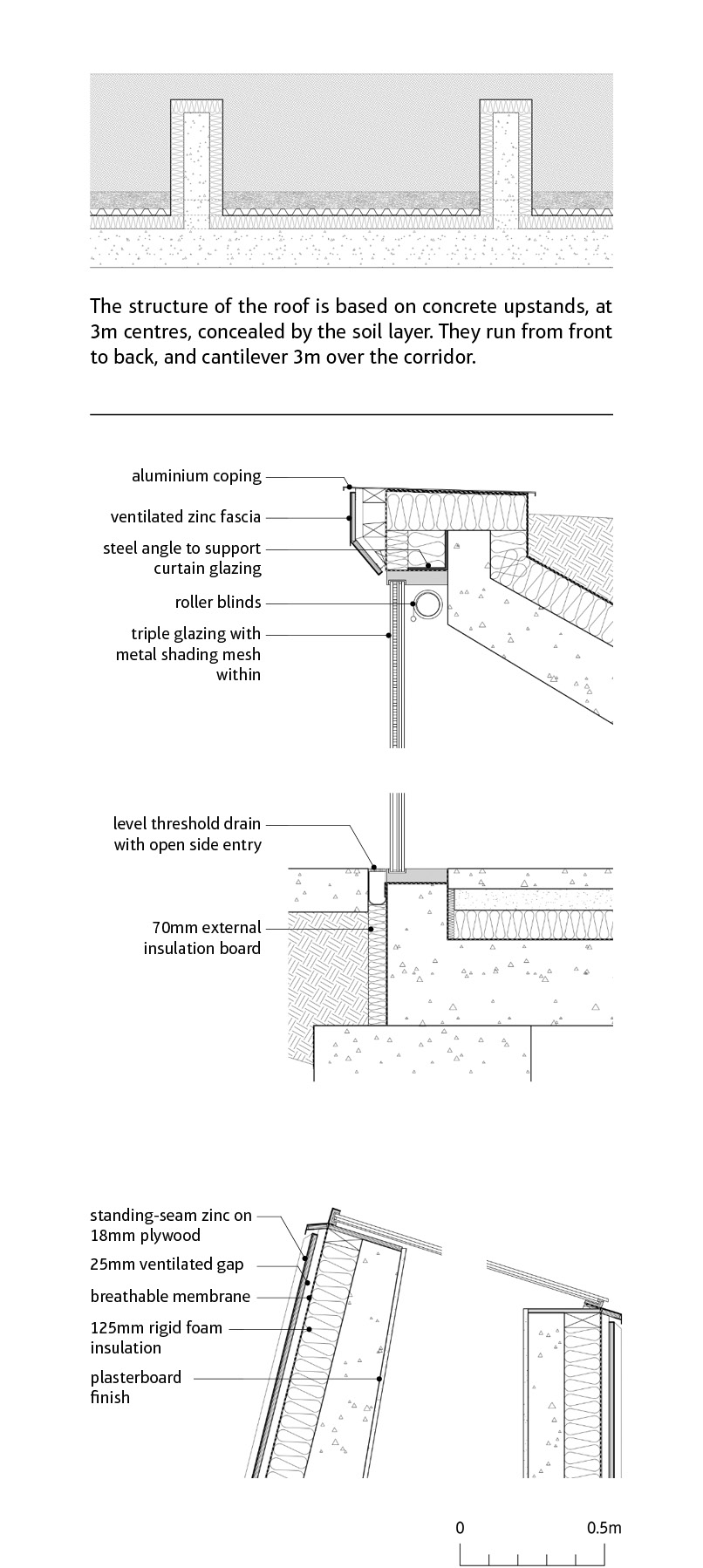
Tectonic Cut Through Backstage Area
Taper
Home renovation with extension
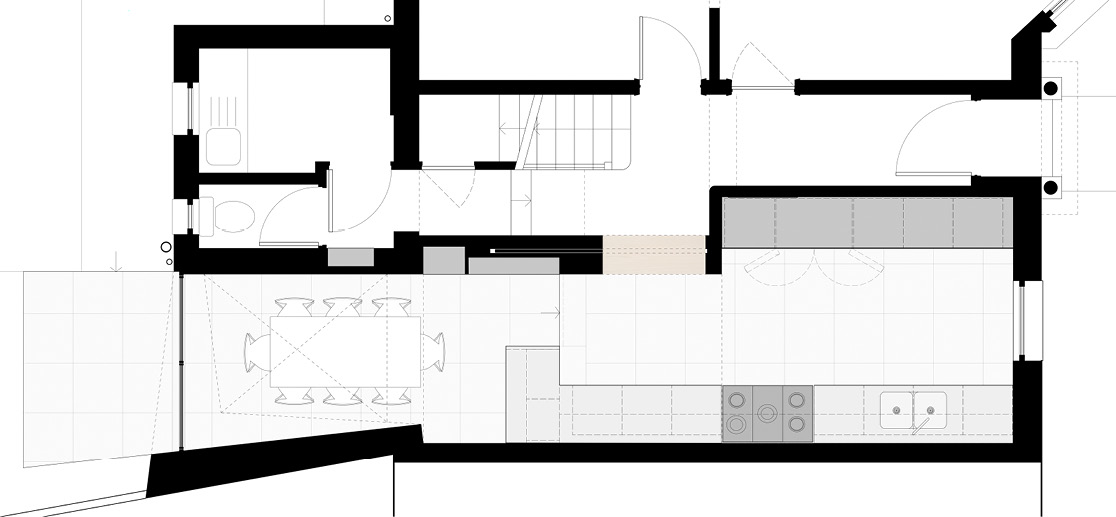
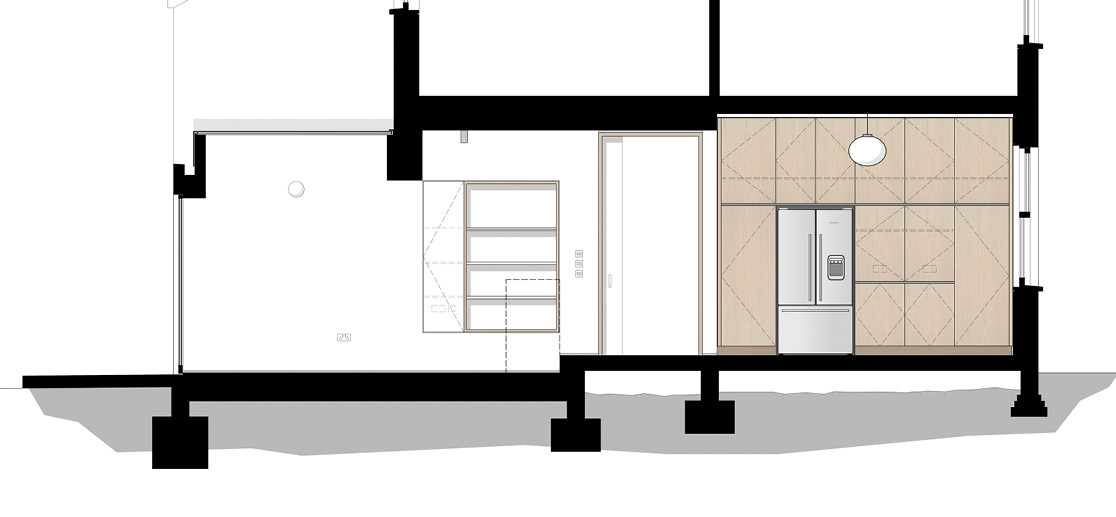
A new 30sqm kitchen and dining room was created by combining two of the existing rooms with a new rear extension.
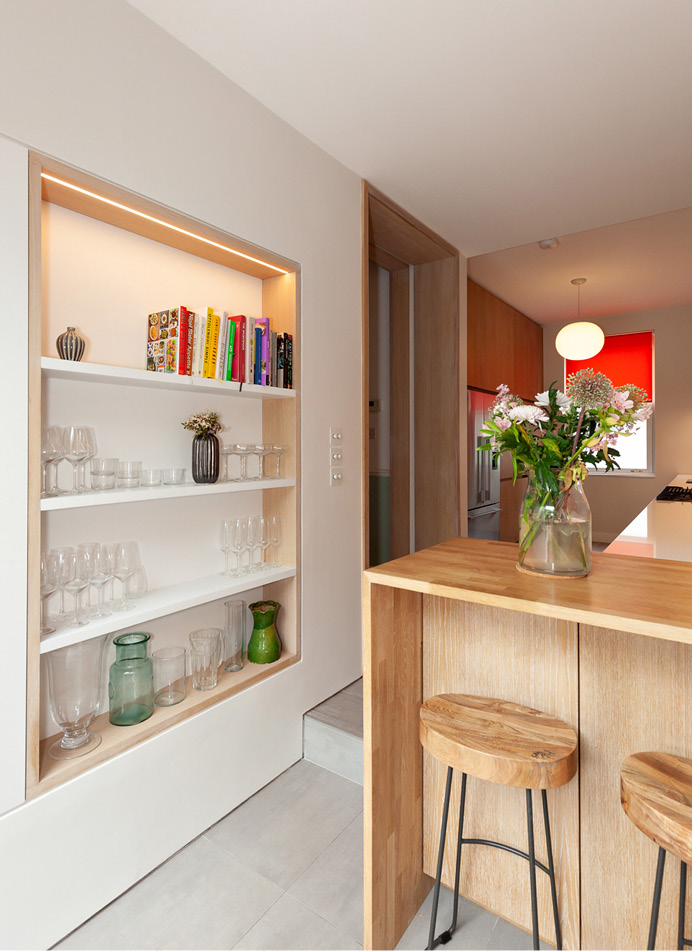
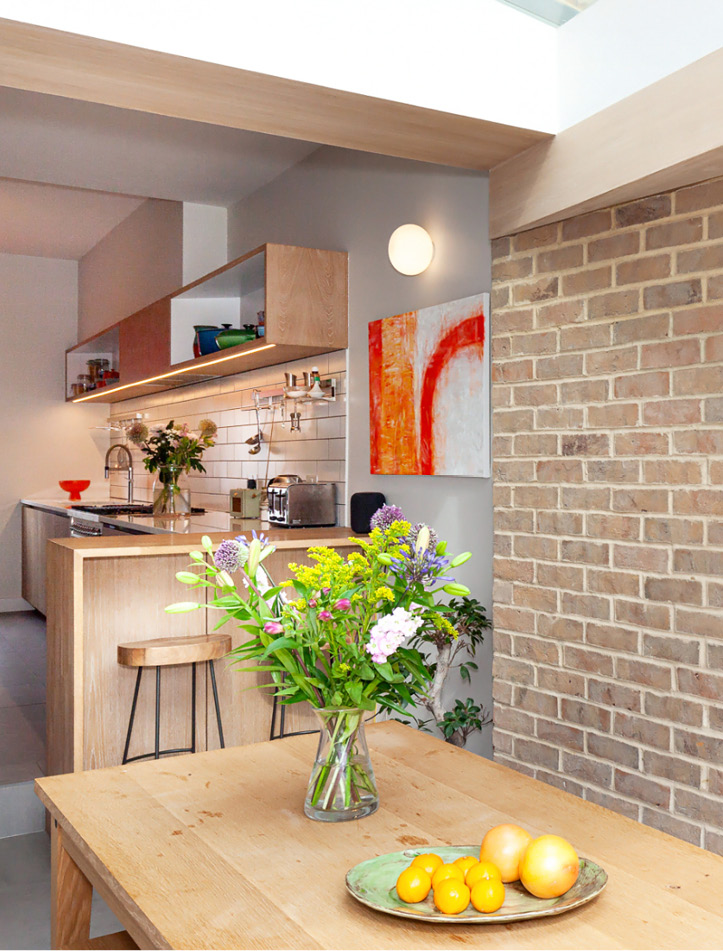
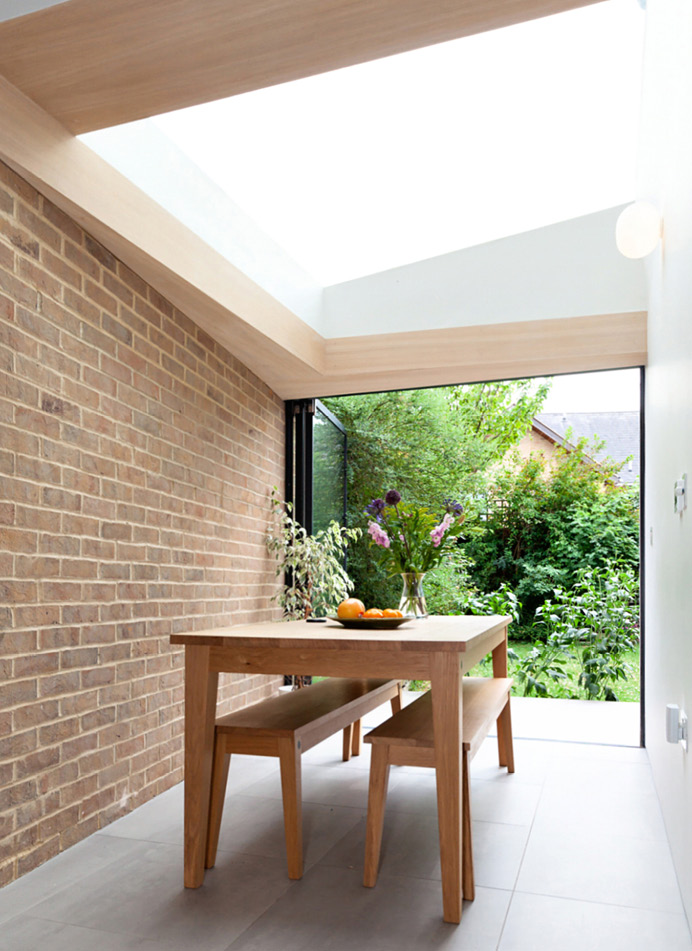
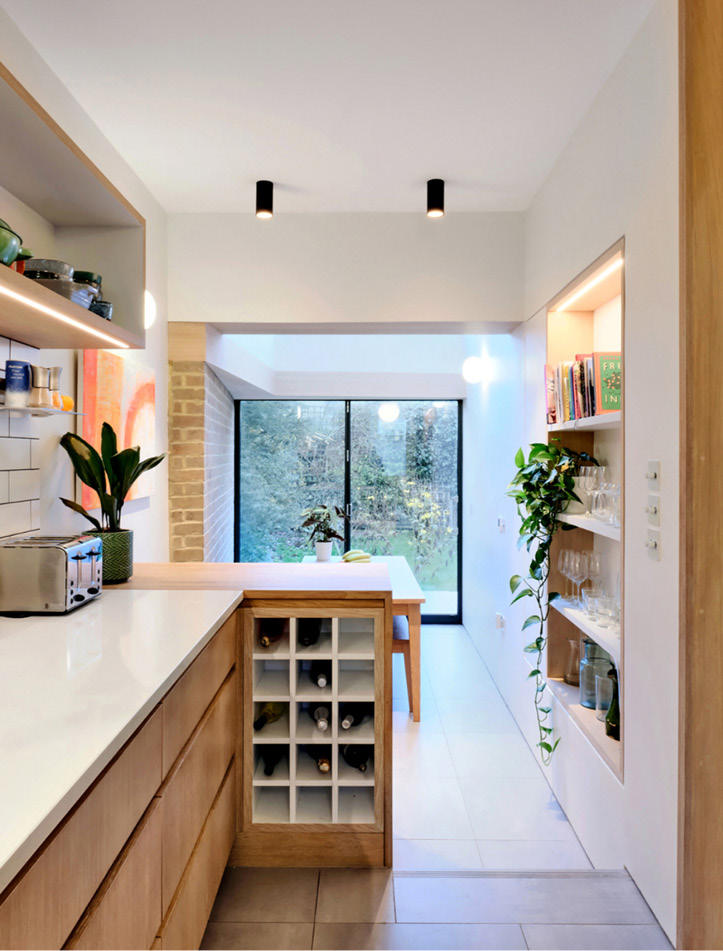
Photos of the completed project